


After undergoing surgery, rehabilitation can bring physical and emotional challenges.
One of the most overlooked aspects of recovery is the clothing you wear, yet the right clothes can make a world of difference to comfort, confidence and independence during healing. When movement is limited or your body feels more sensitive than usual, small design details can help reduce strain, support easier dressing and restore a sense of normality.
Our Rehabilitation & Post-Surgery Guide is designed to help you choose the most helpful adaptive clothing options and offer practical dressing advice while you recover.
Top Clothing Picks For Post-Surgery Recovery


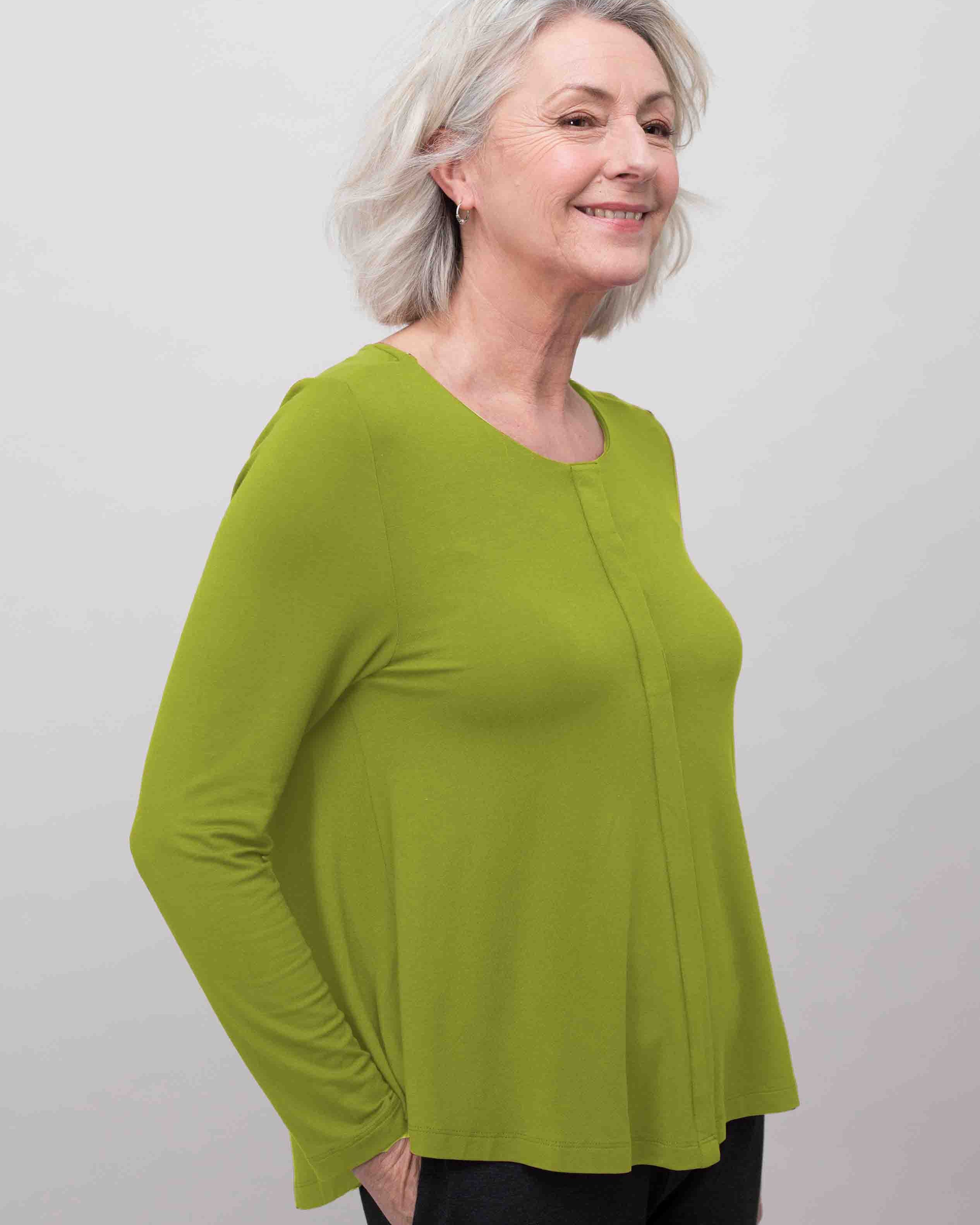
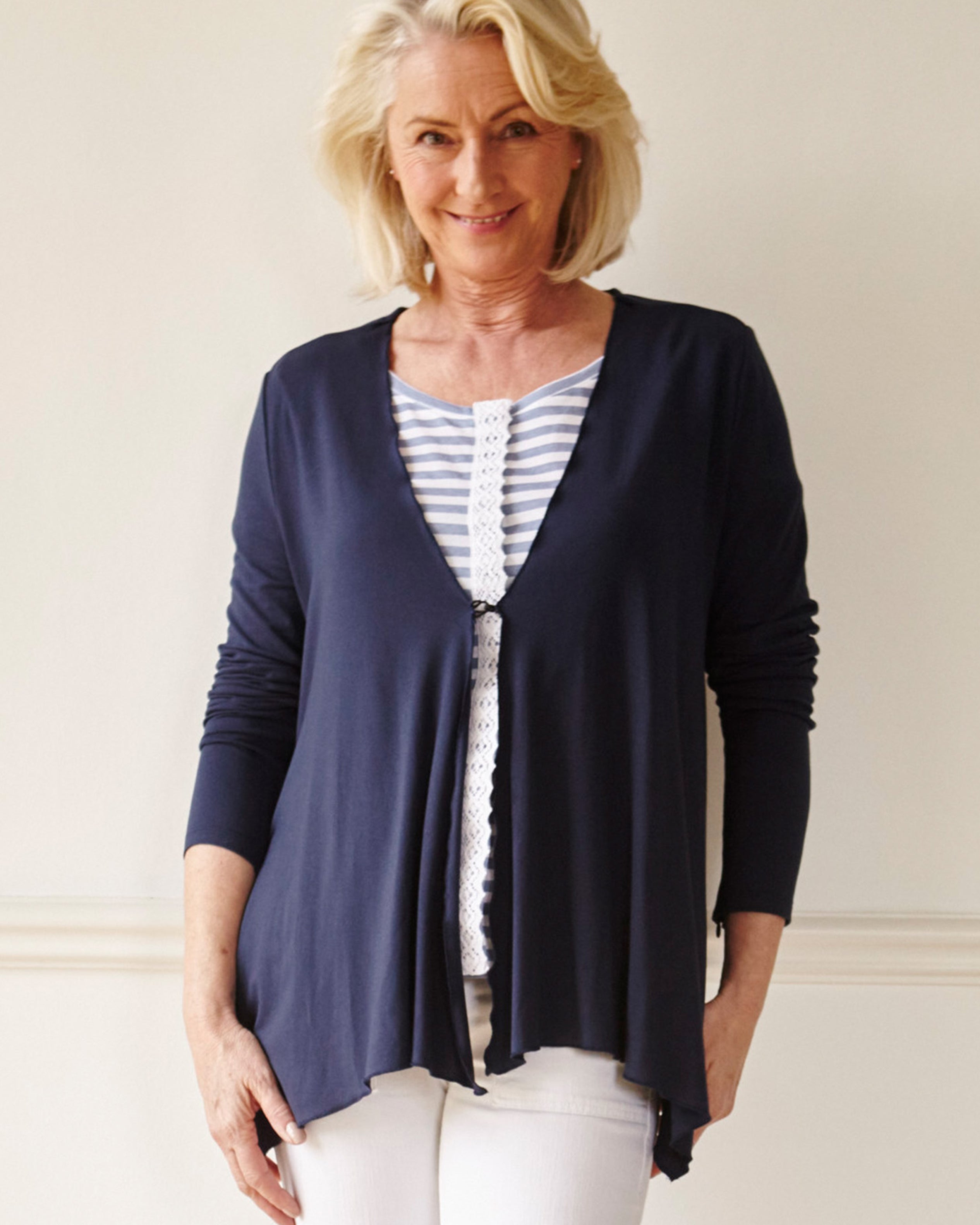
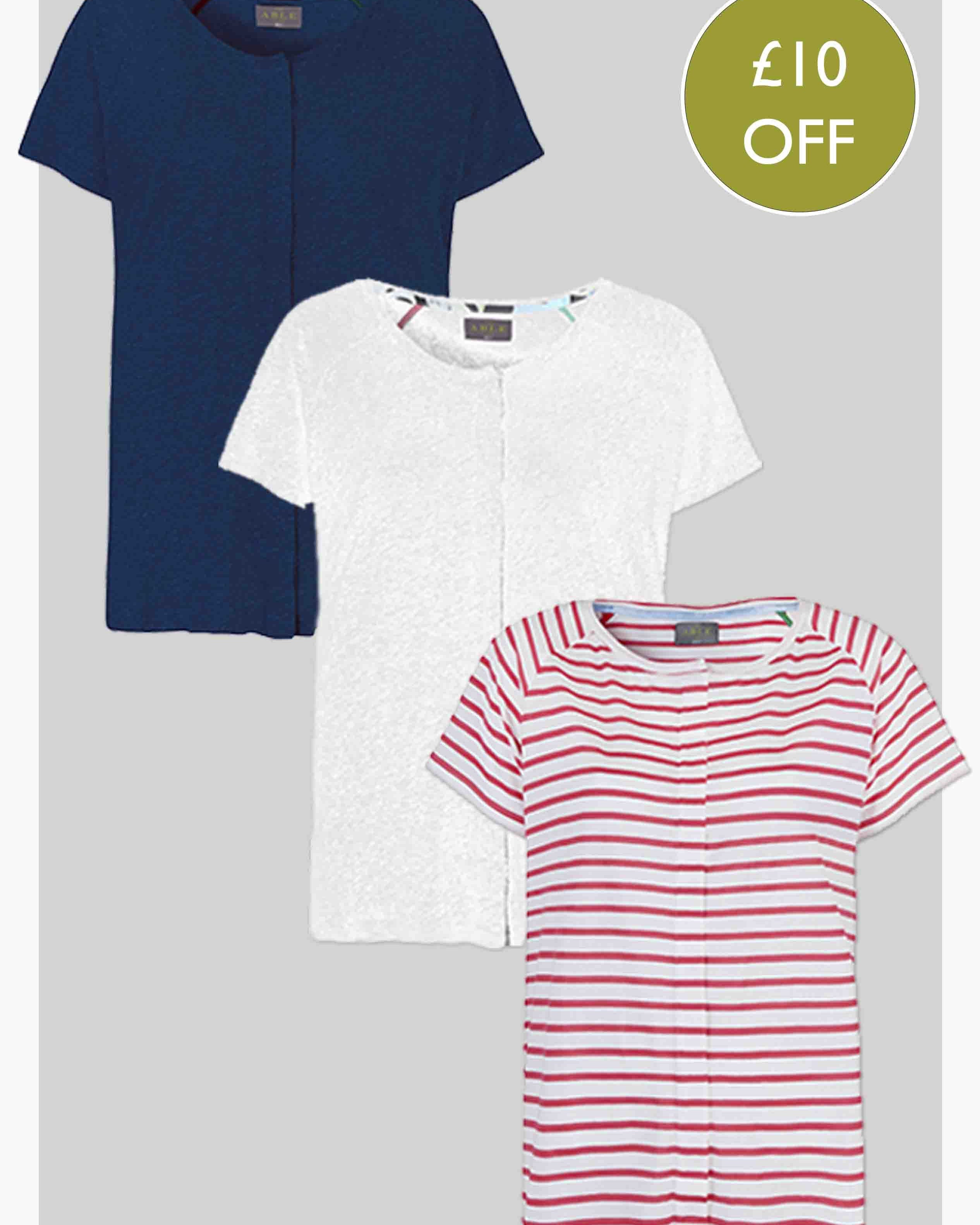
Front-Opening or Touch-Close Tops
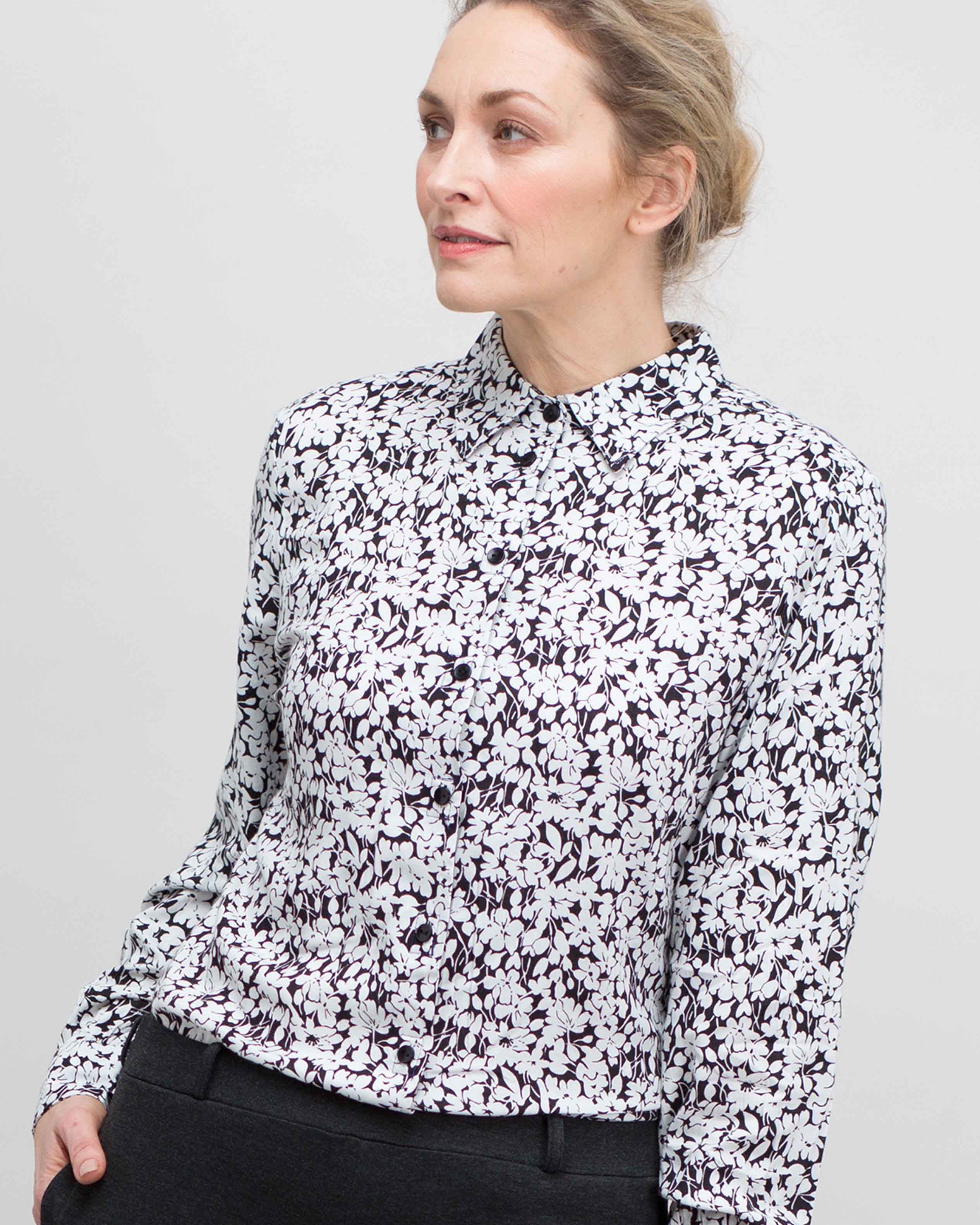
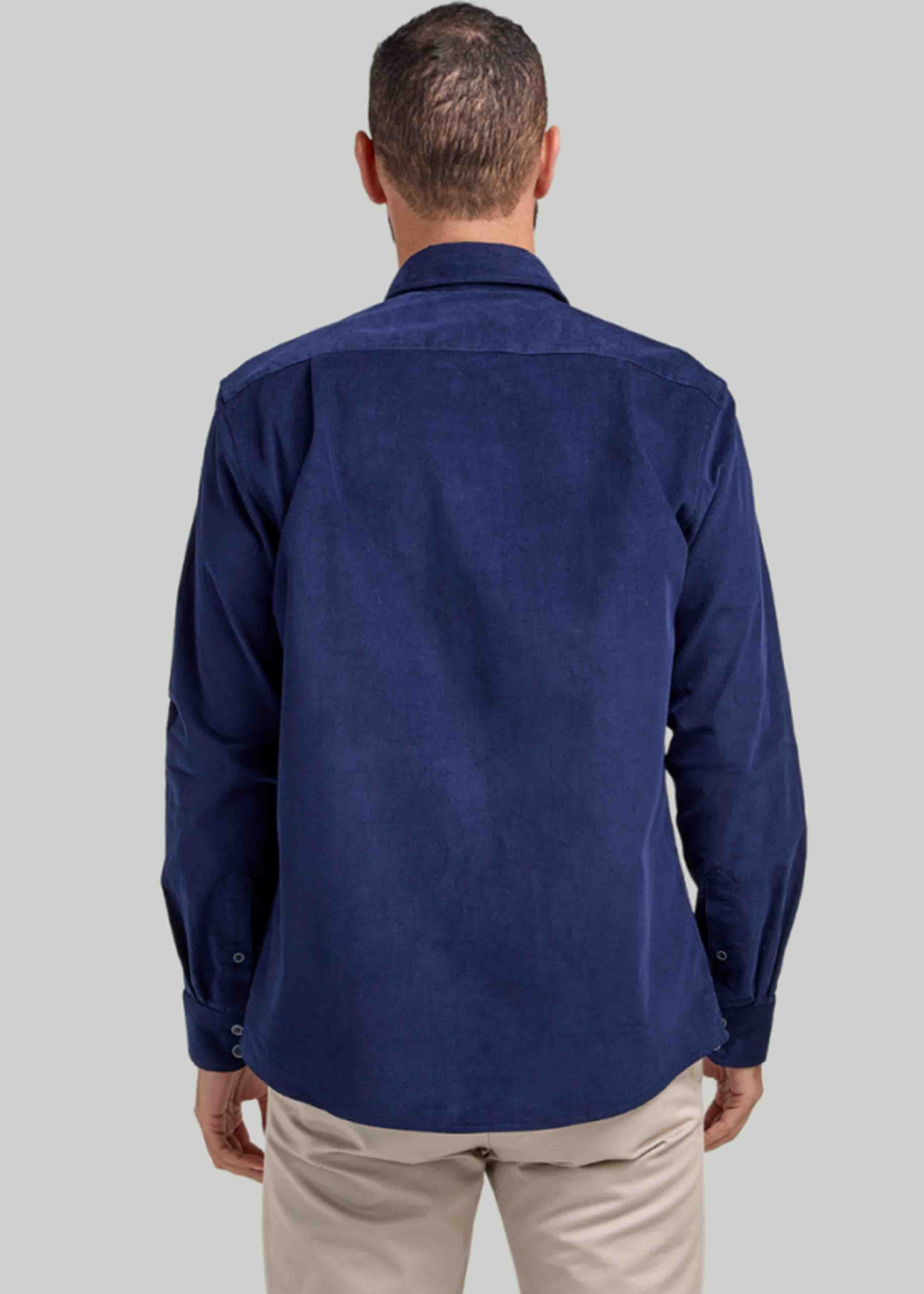
Choose shirts, blouses and tops that open at the front or use simple VELCRO®/touch fastenings. These avoid the need to raise arms overhead, especially important after shoulder, chest or upper-body surgery. They also make dressing with limited mobility easier and more comfortable.
Why it helps: Eliminates awkward arm movements, reduces discomfort and allows ease for dressing and undressing.


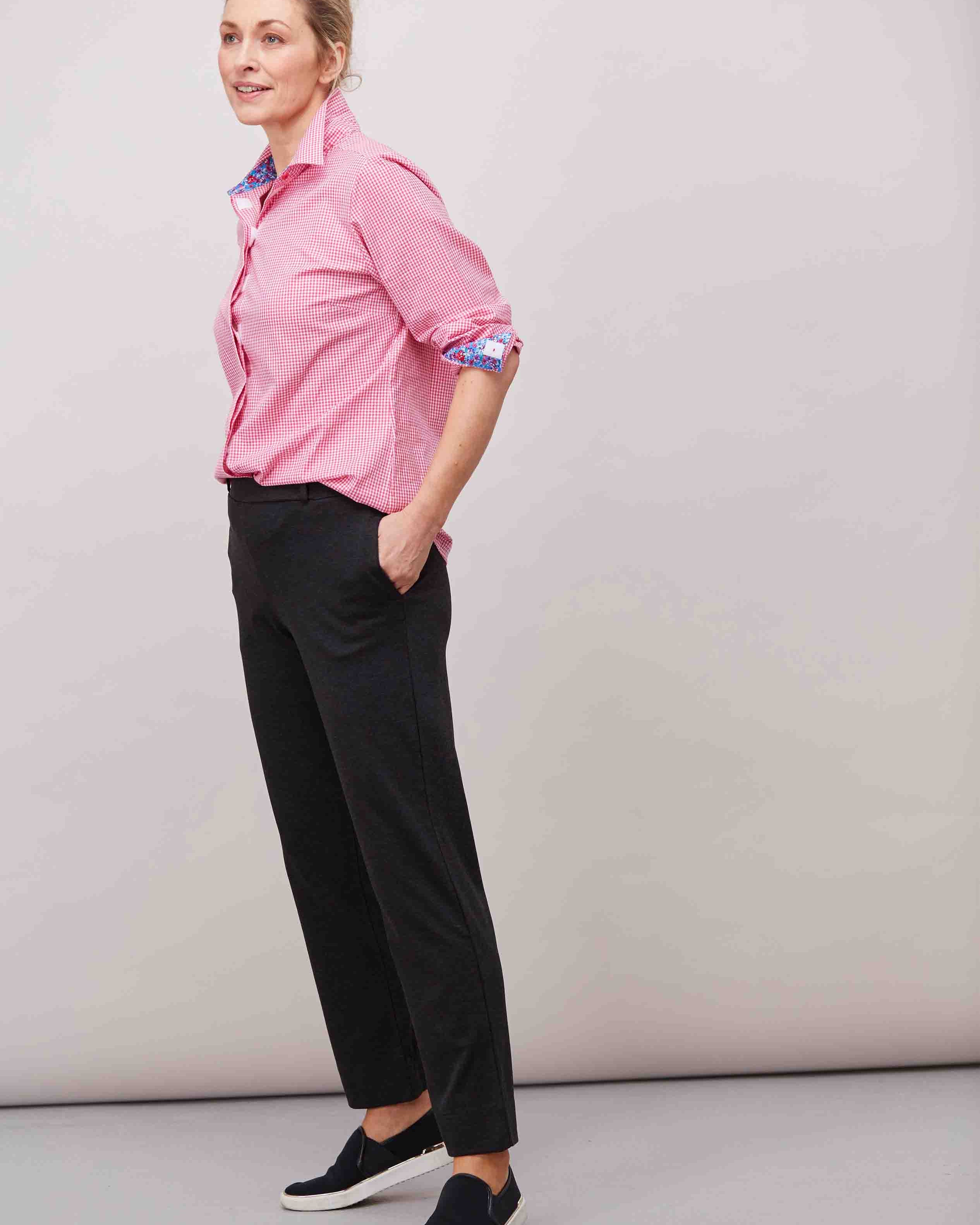
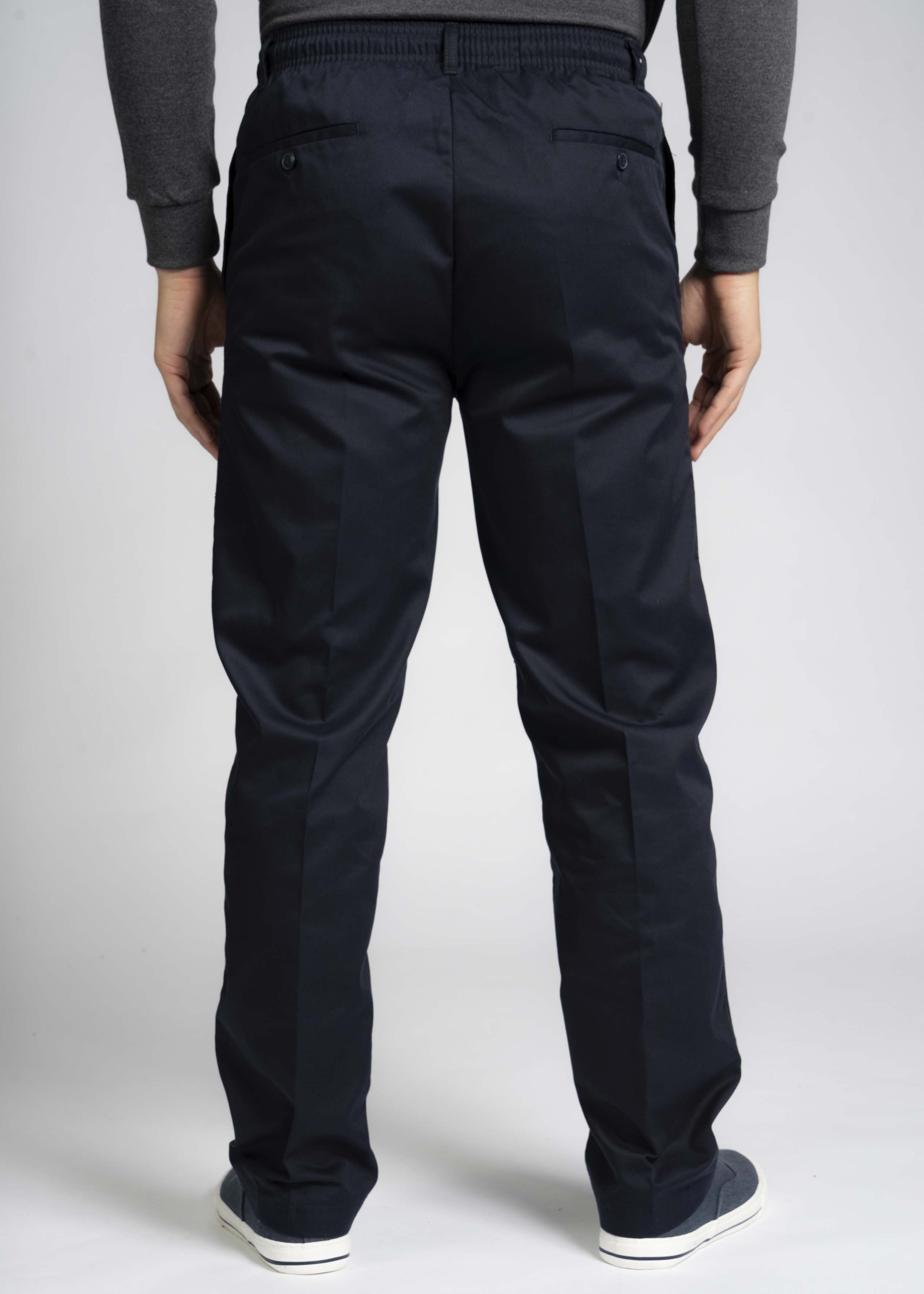
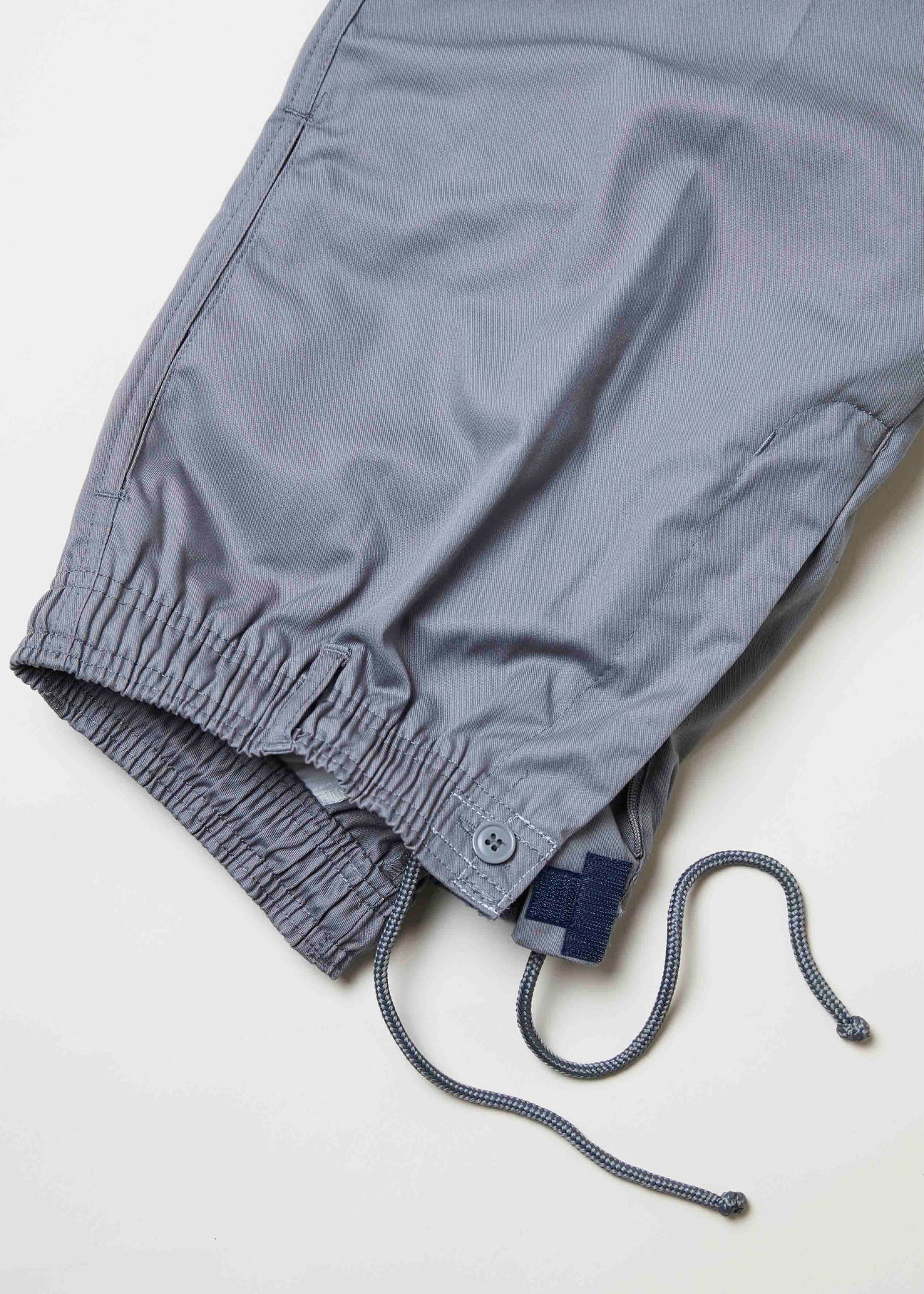
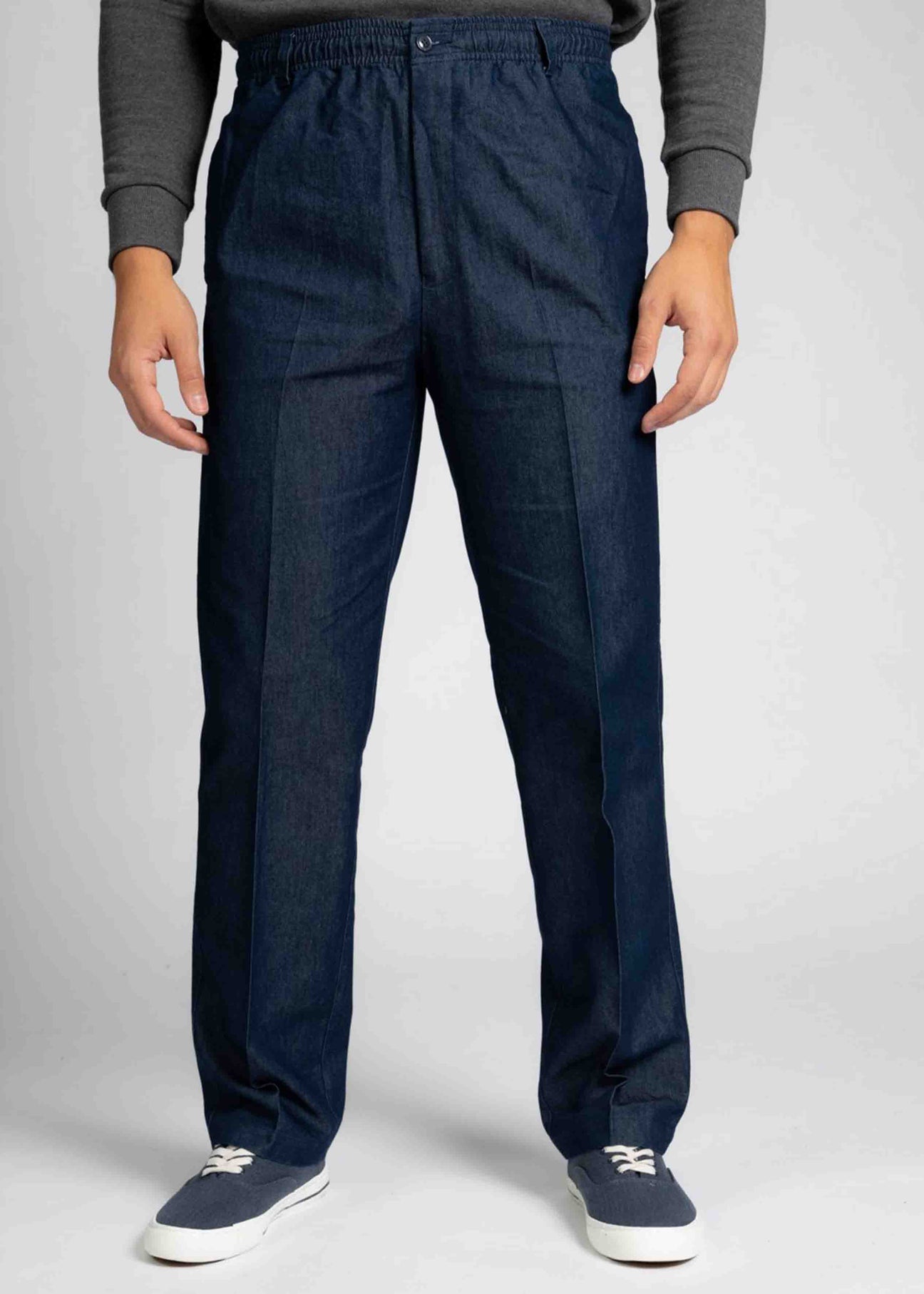
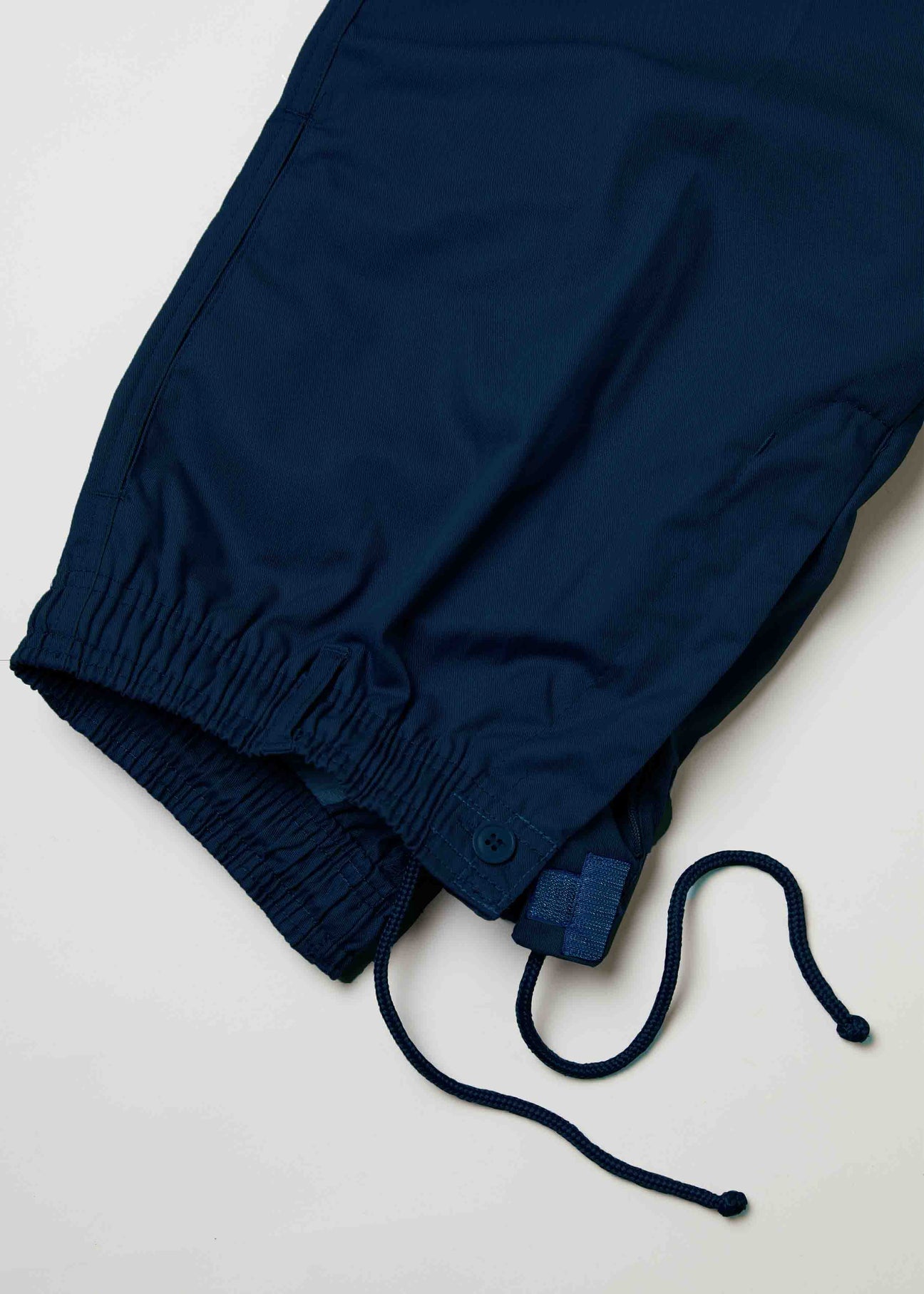
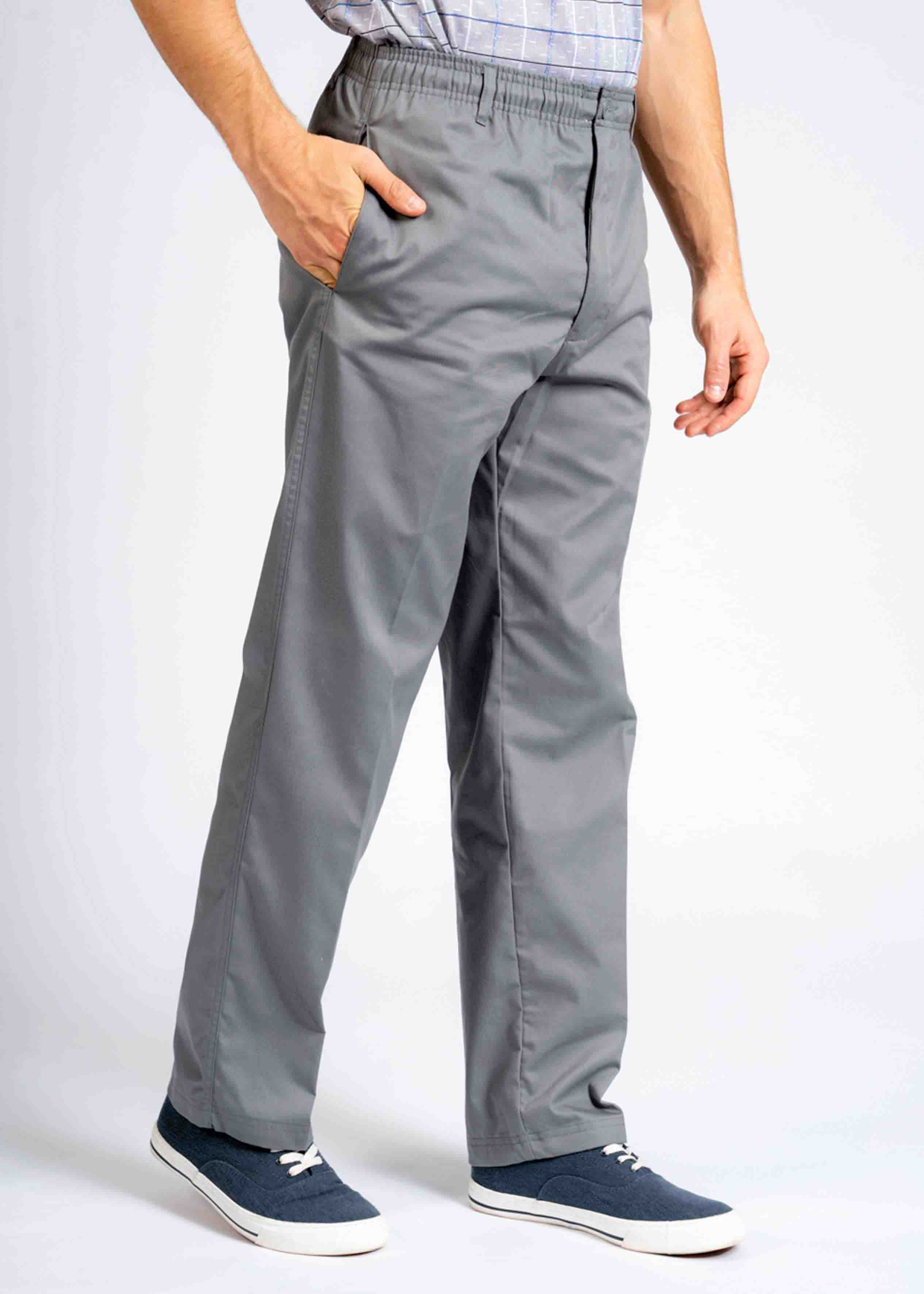
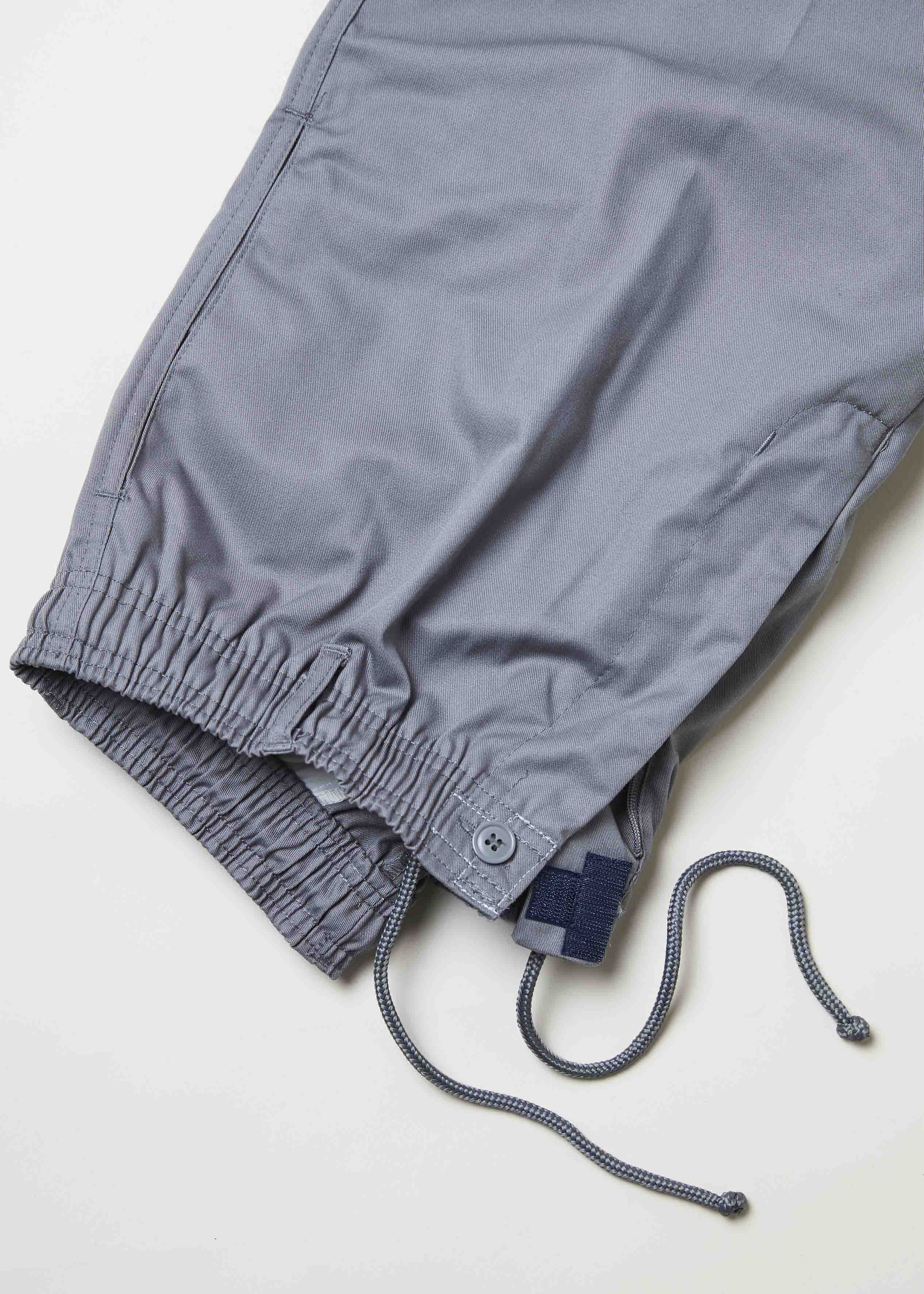
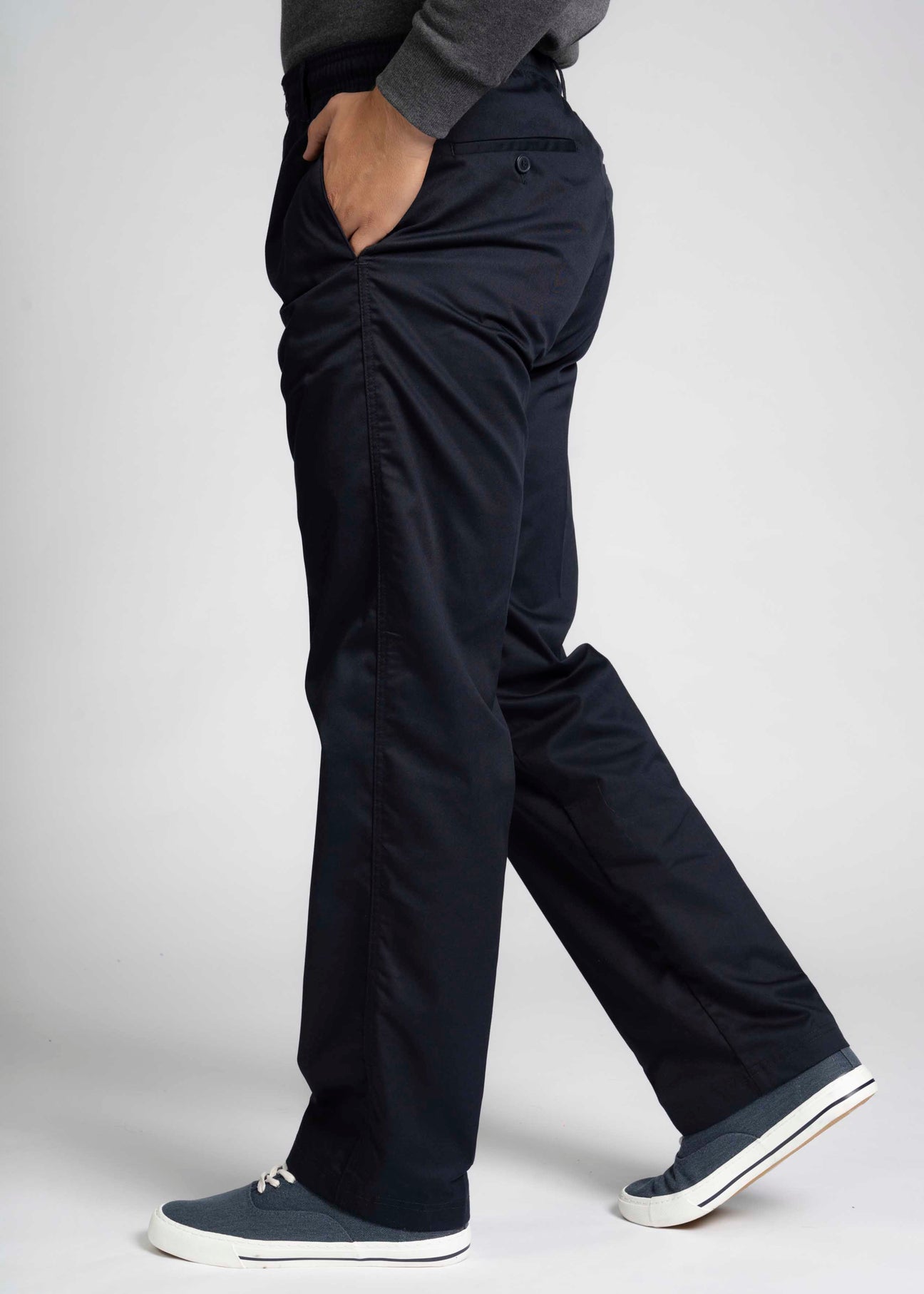
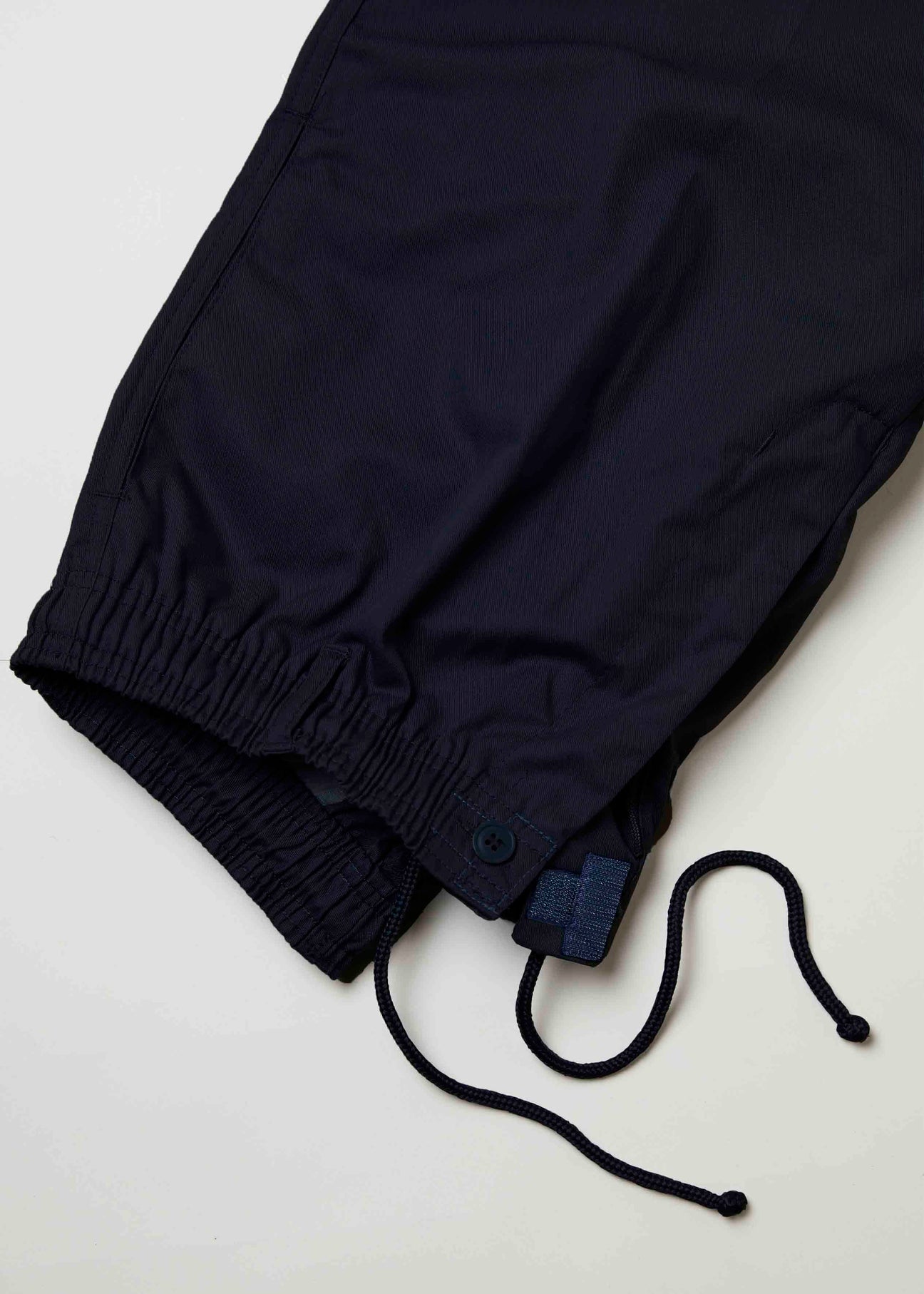
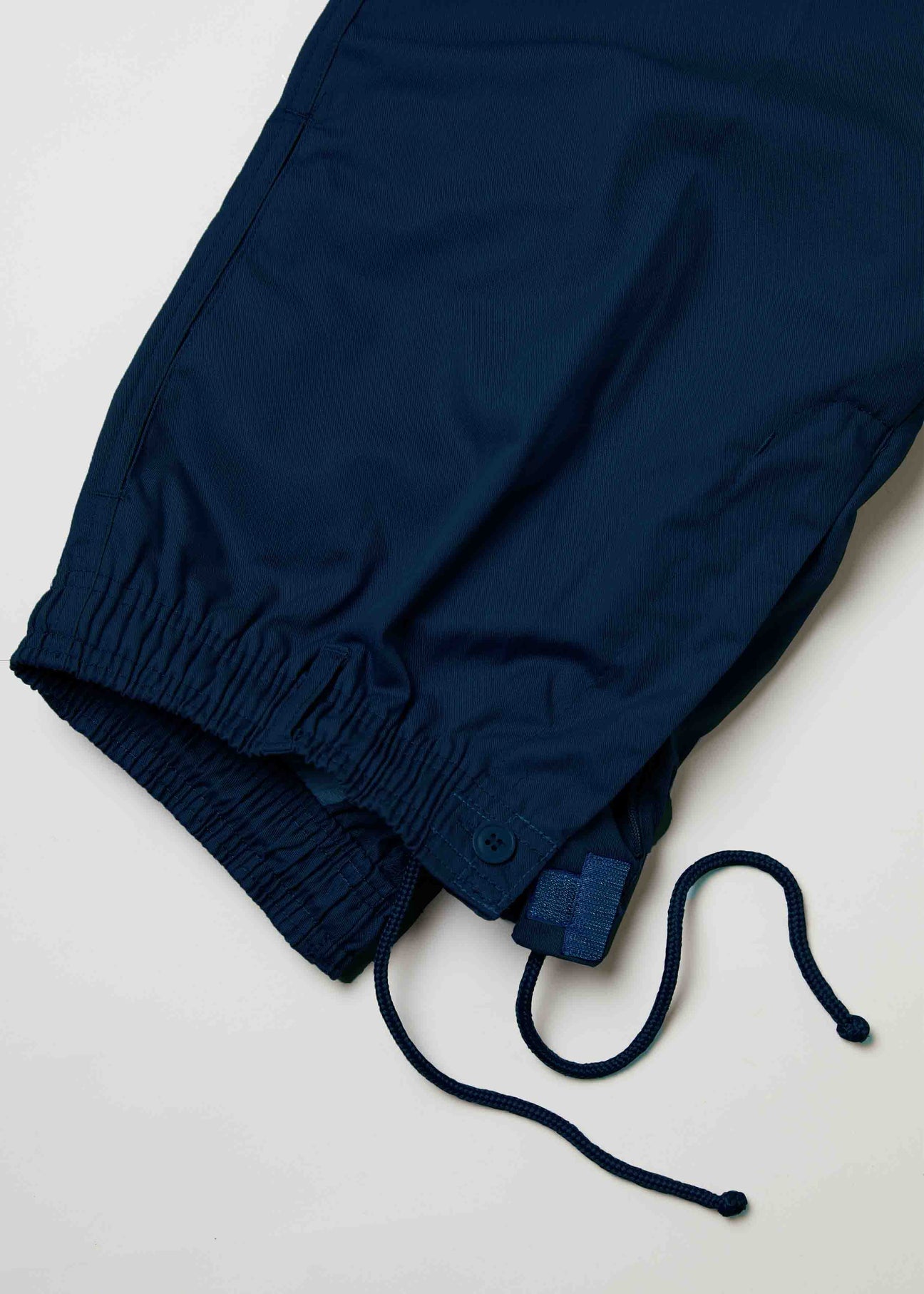
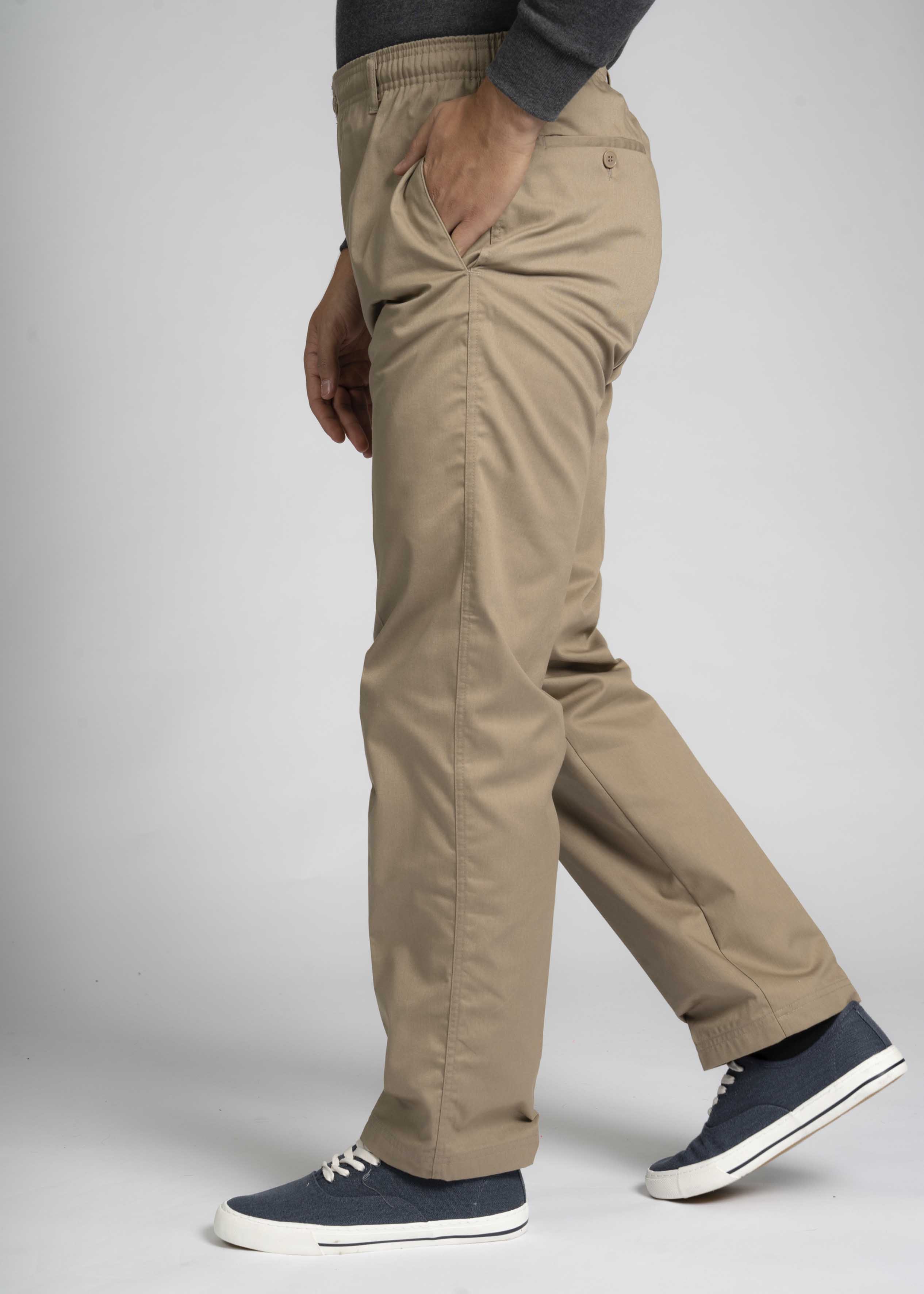
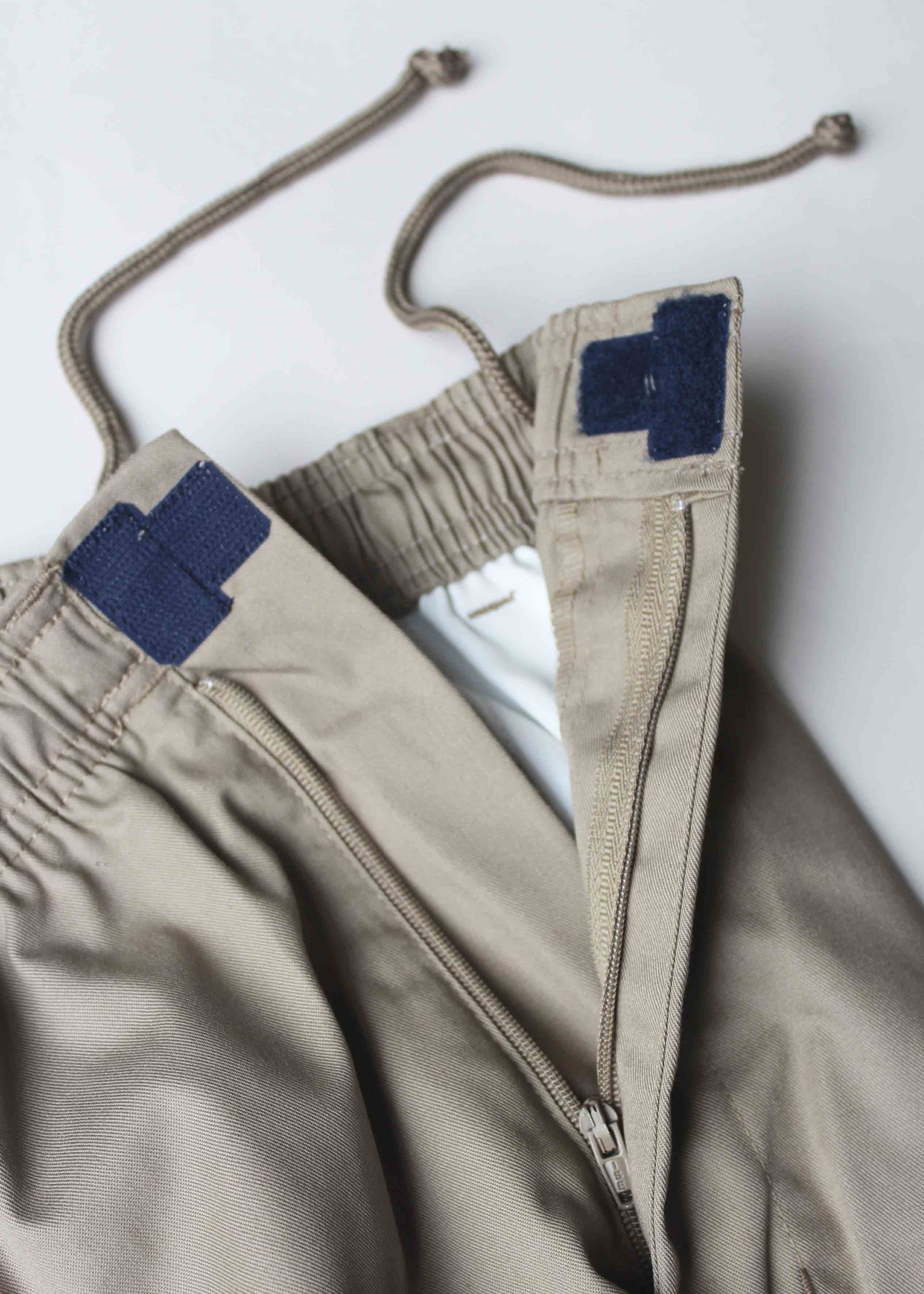
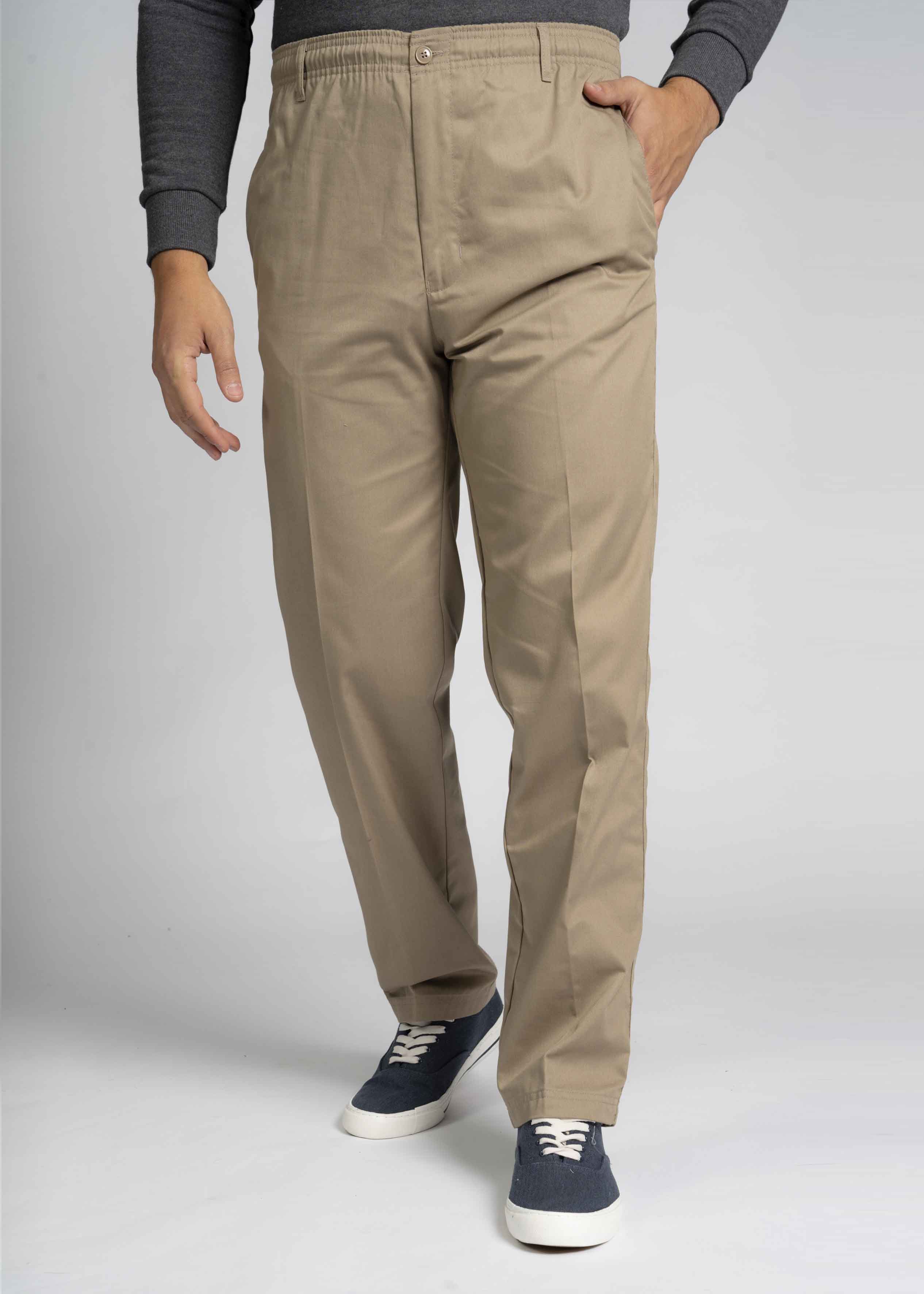
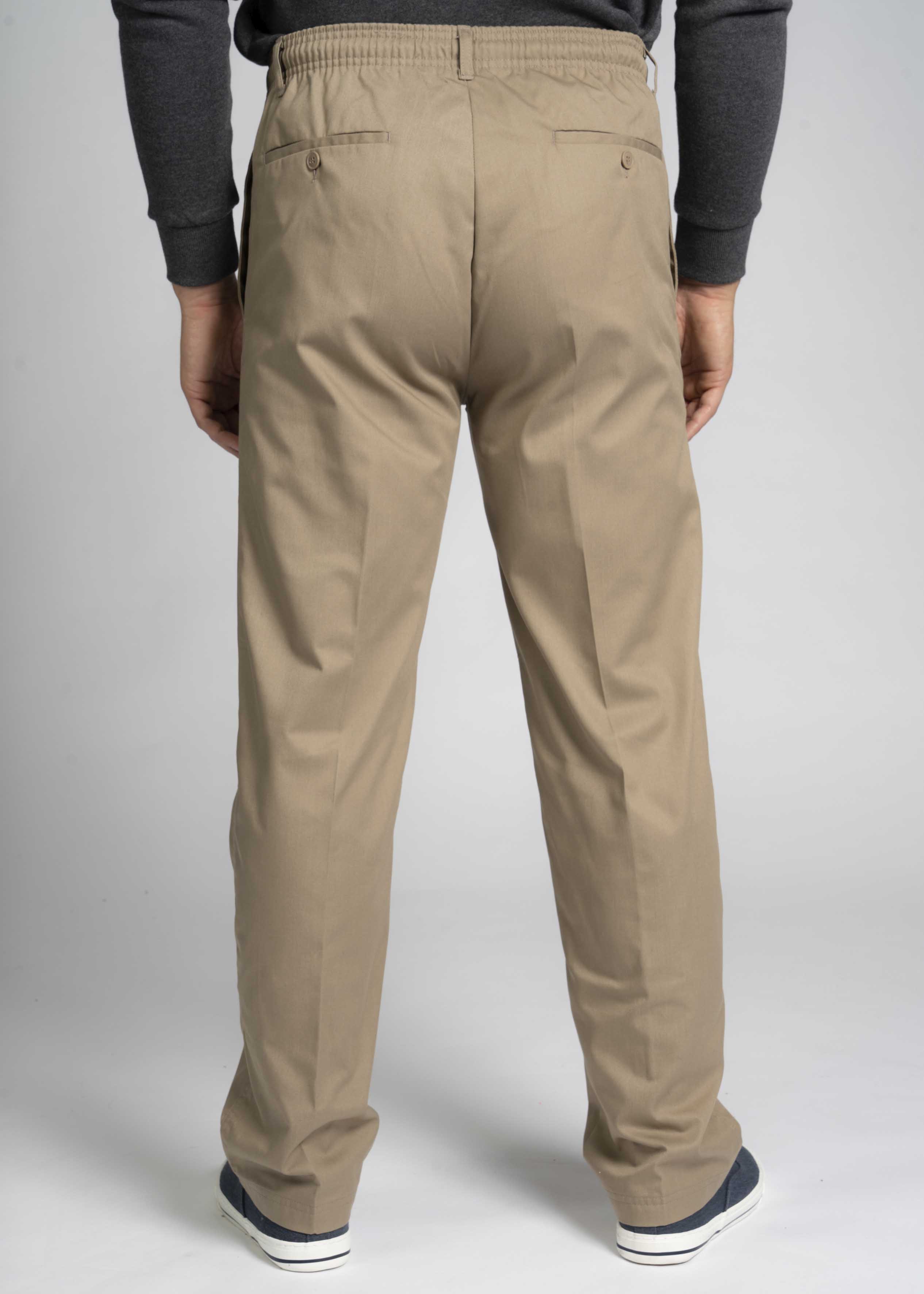
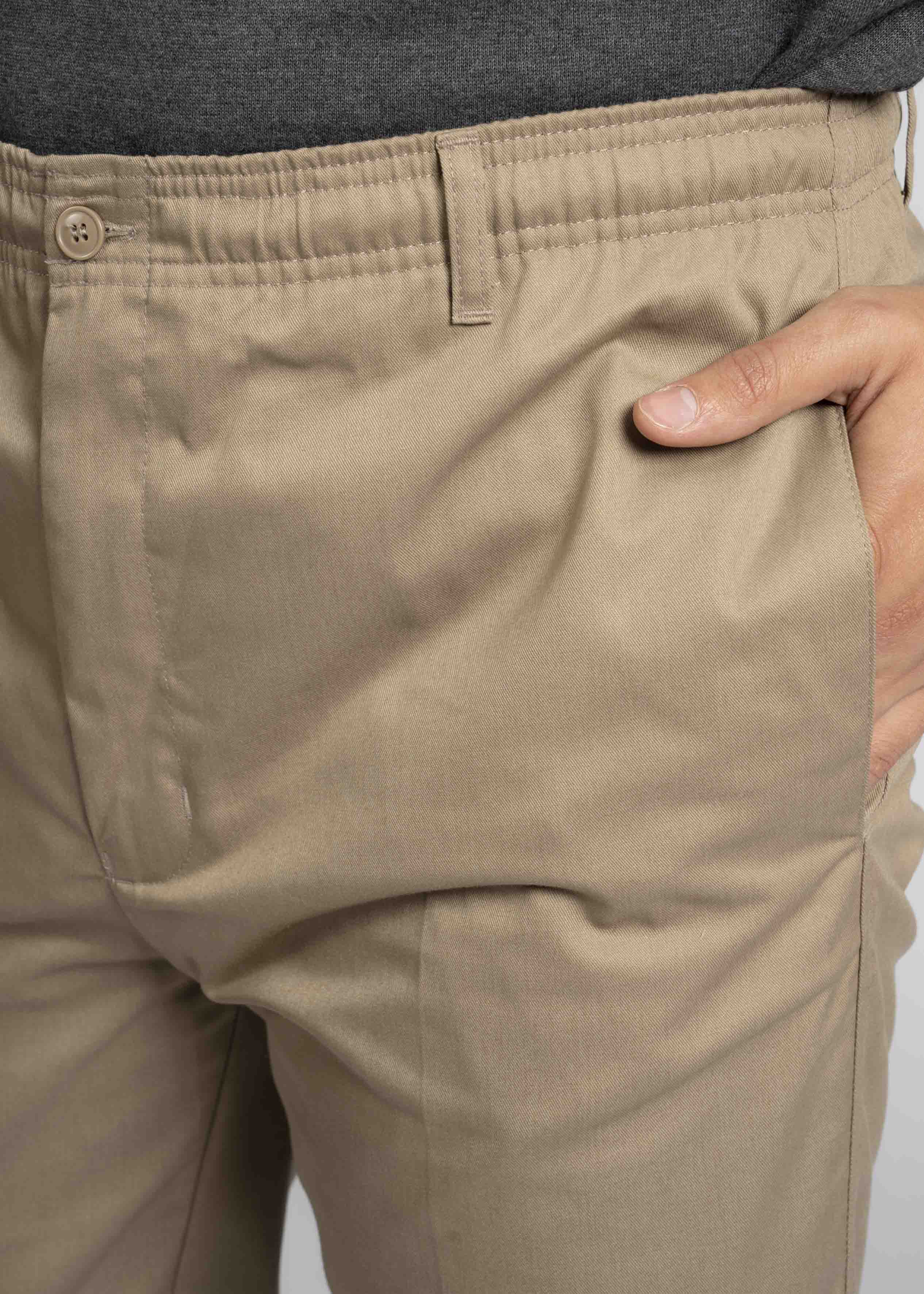
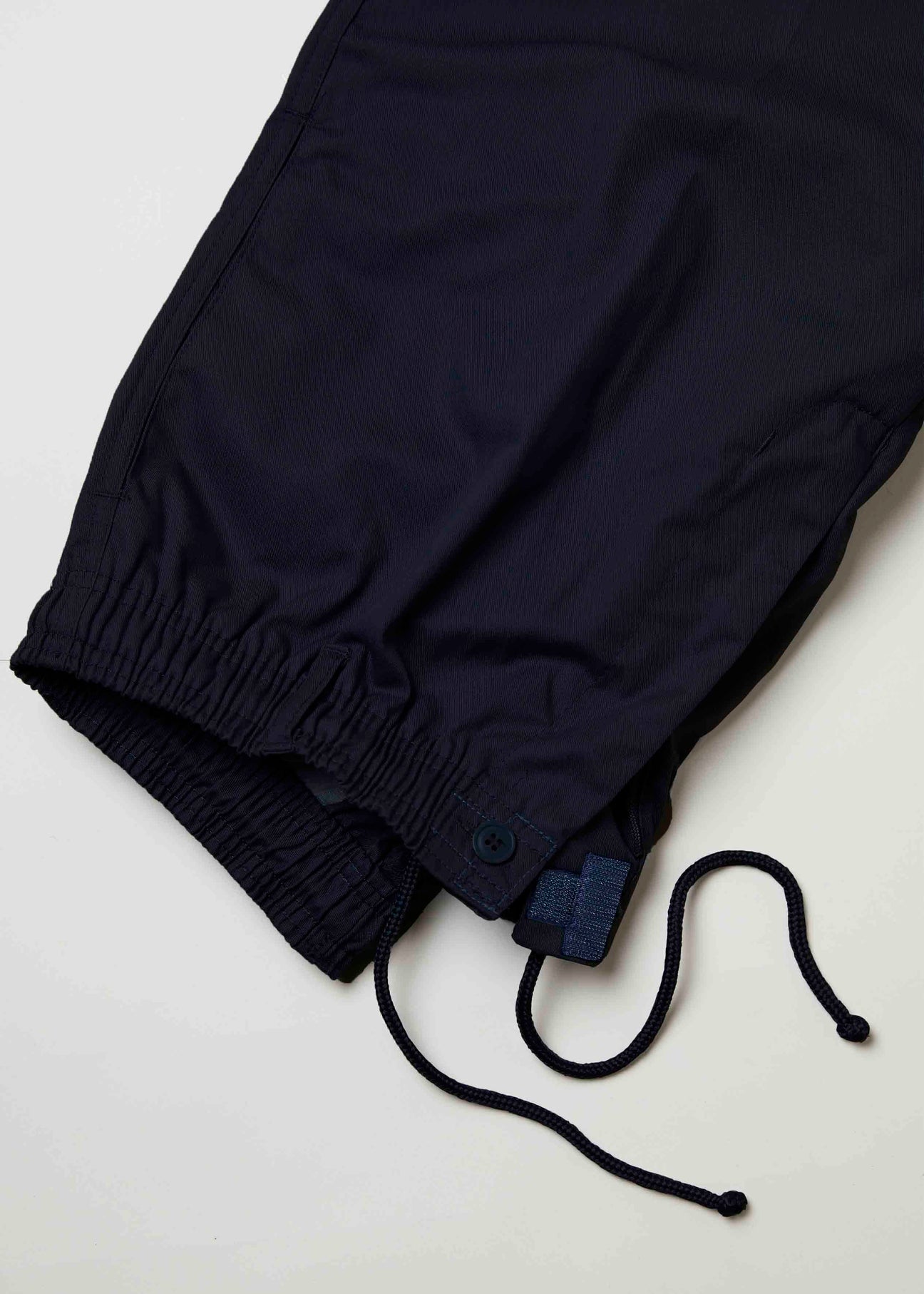
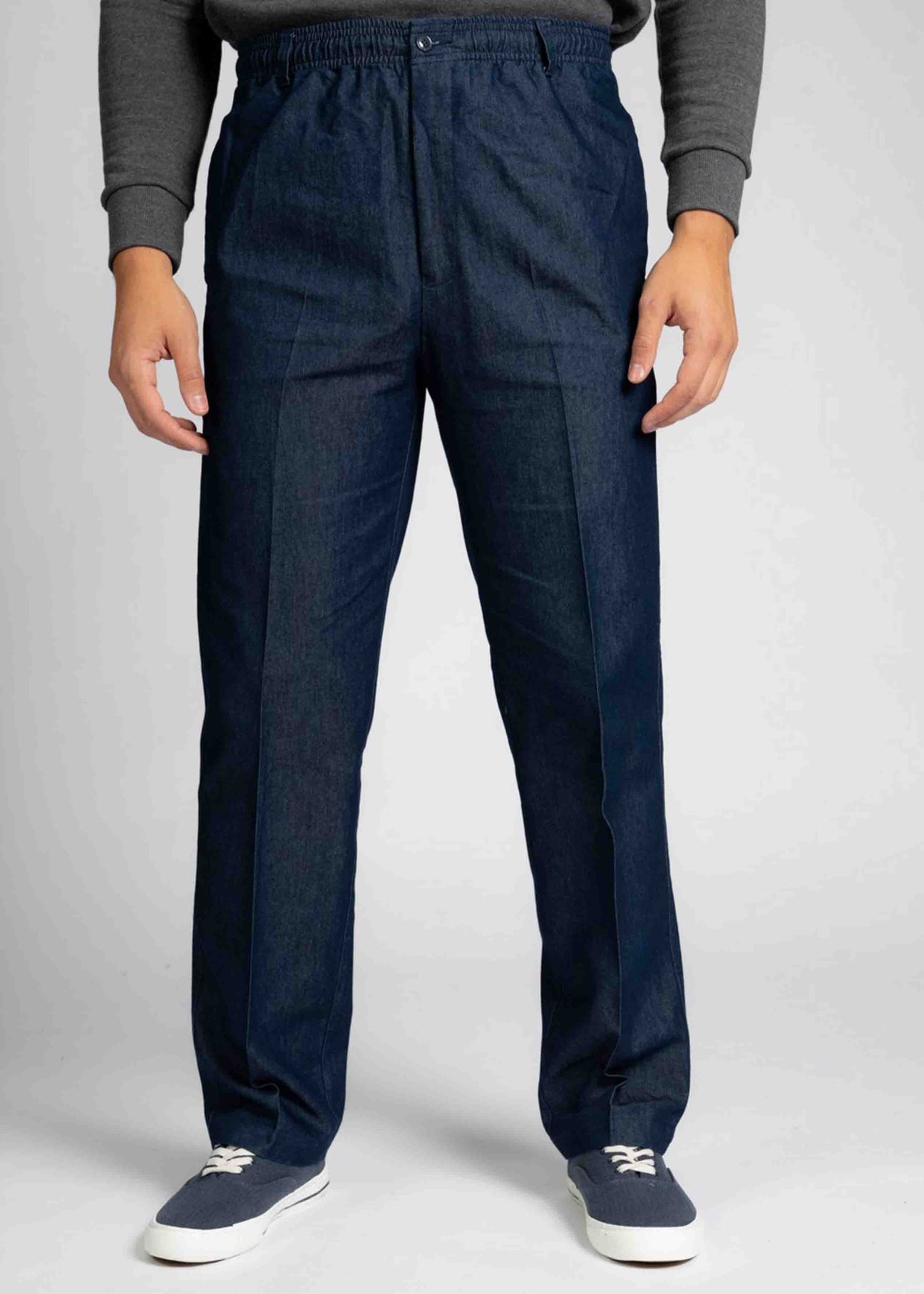
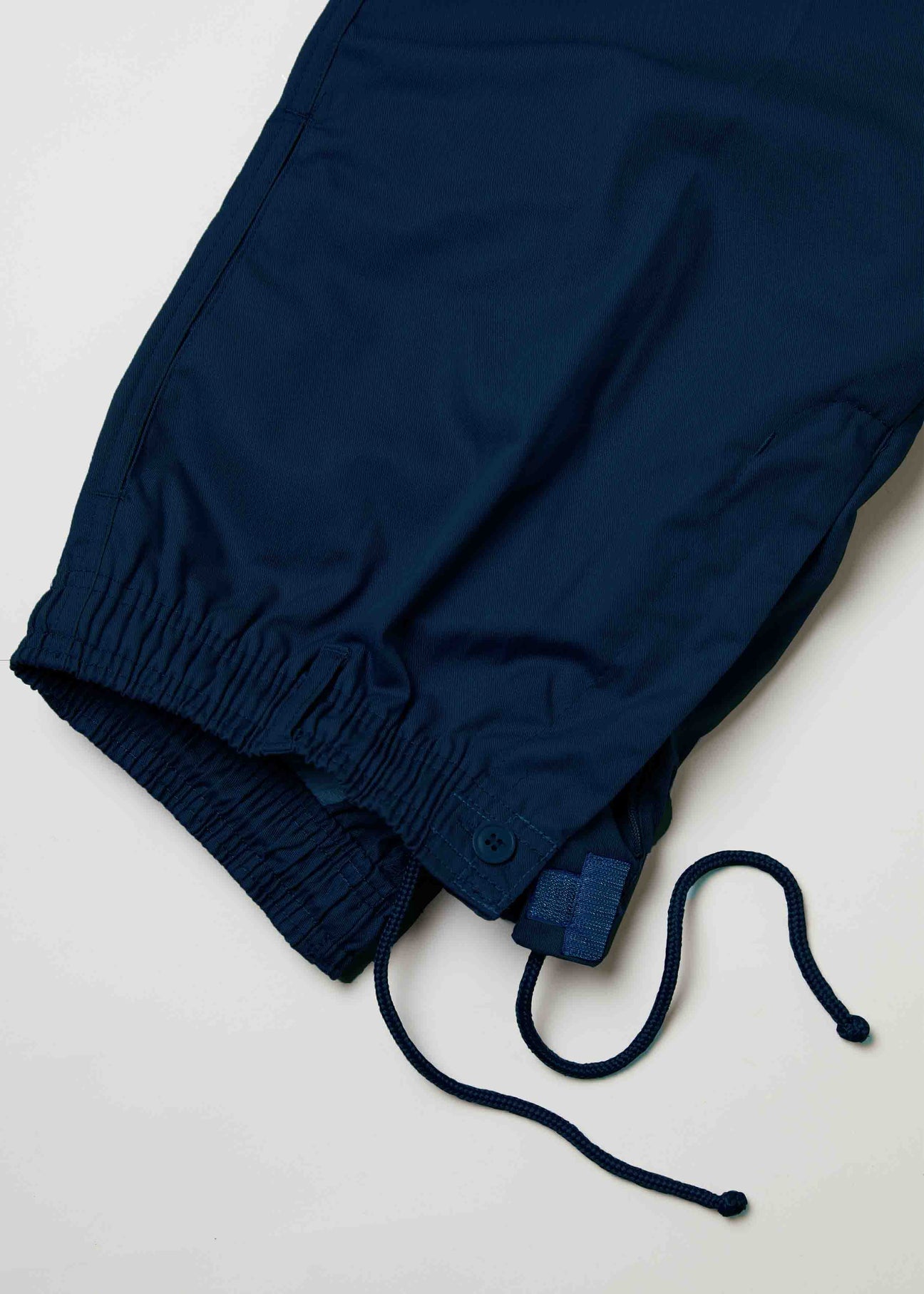
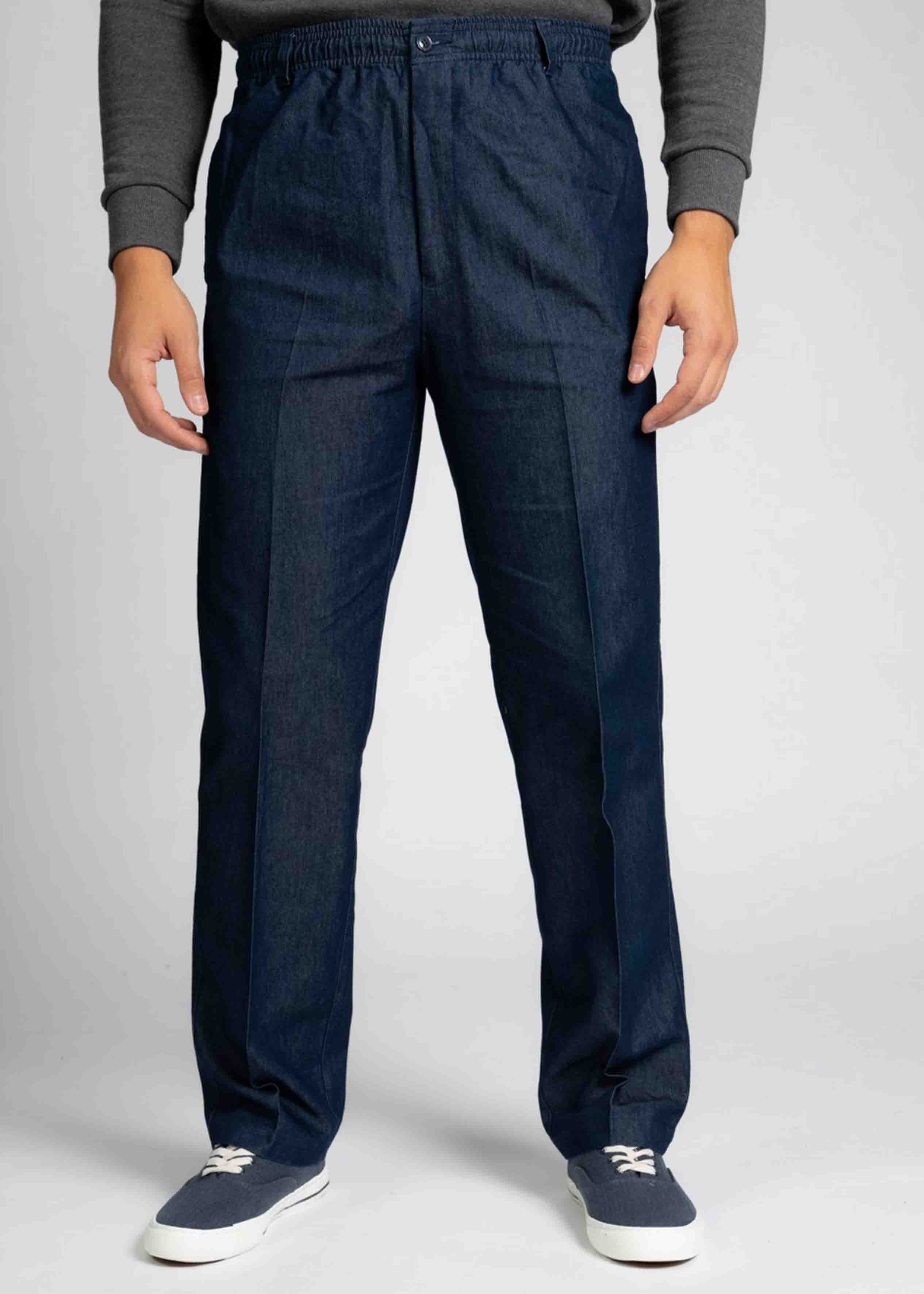
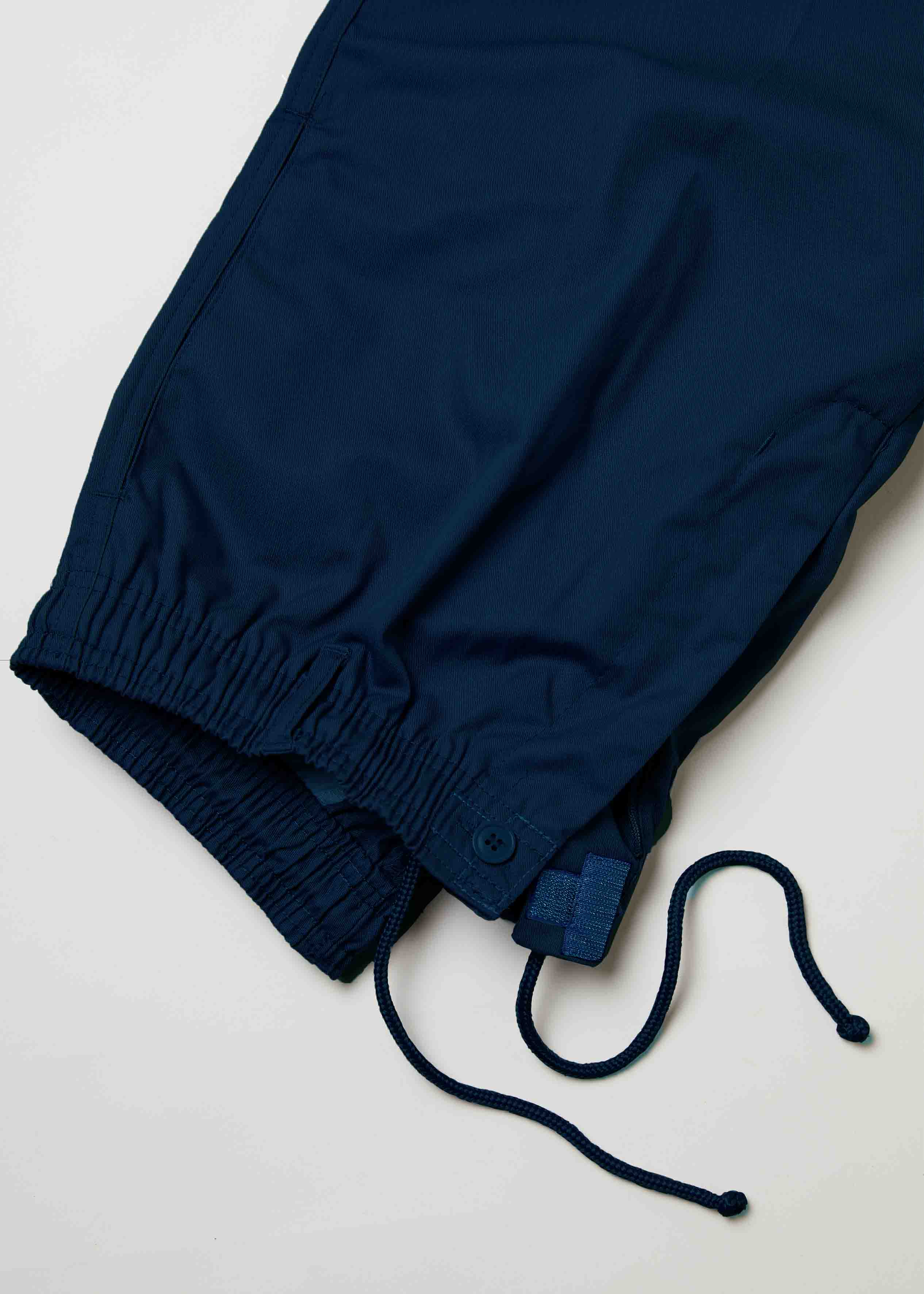
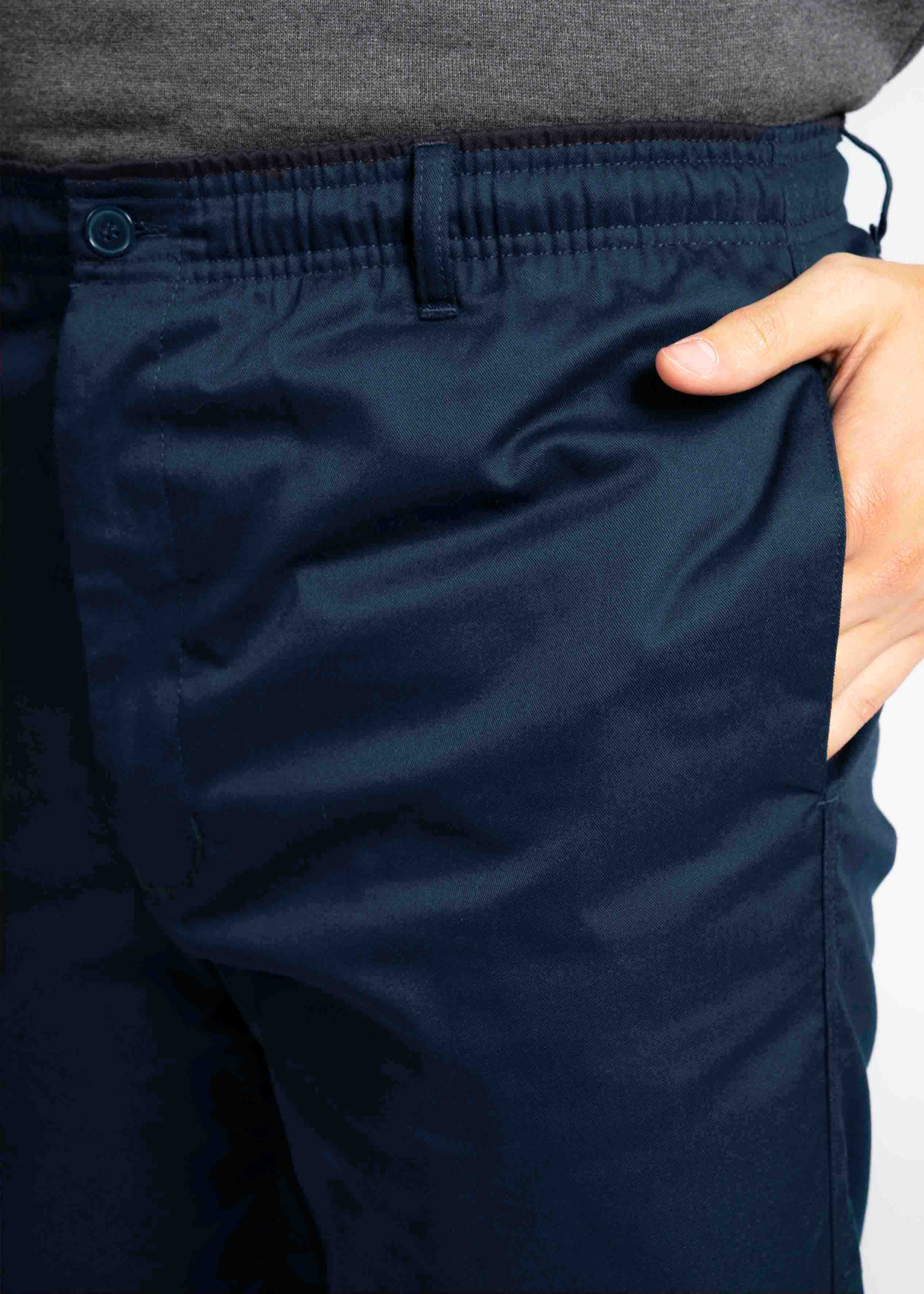
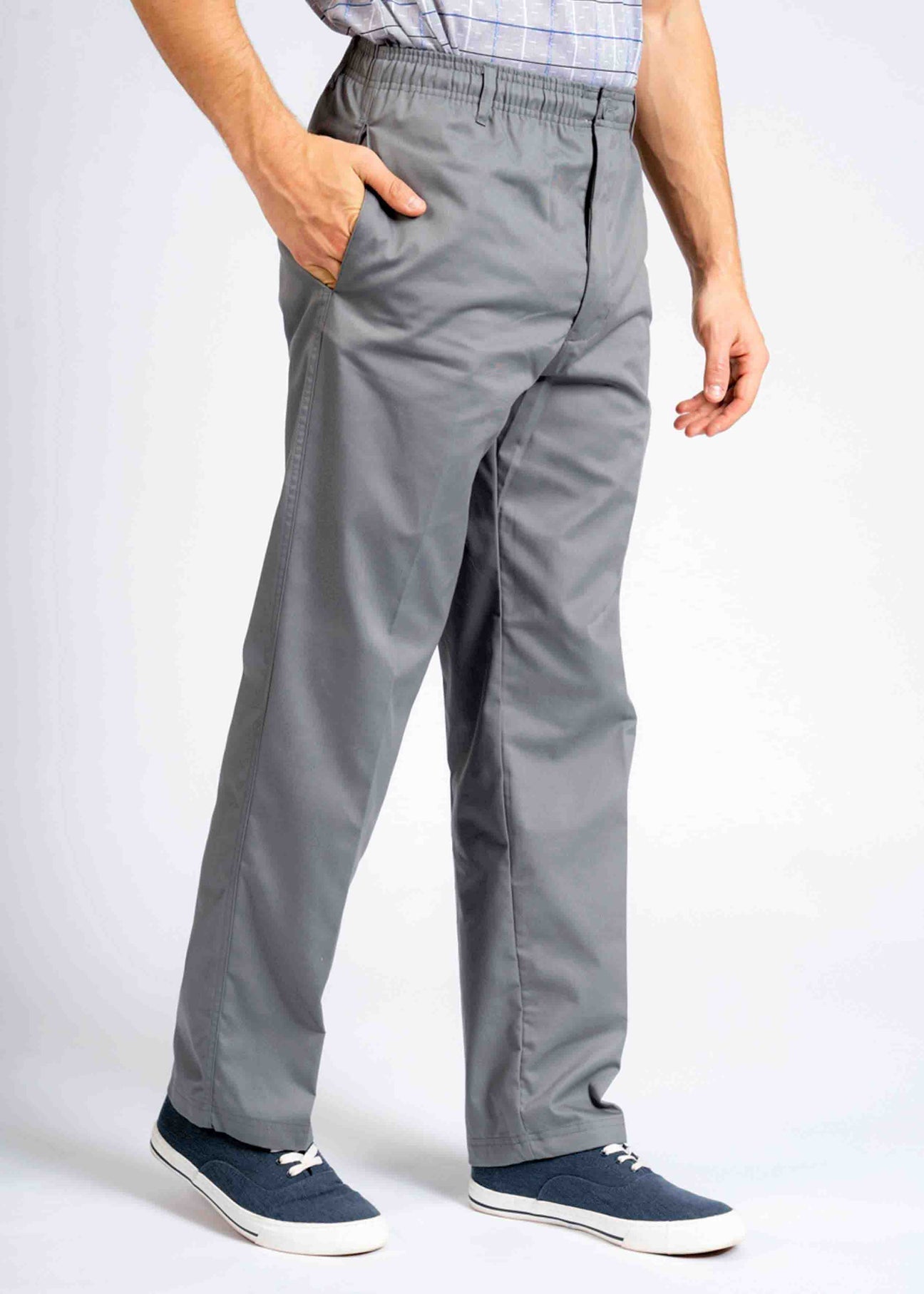
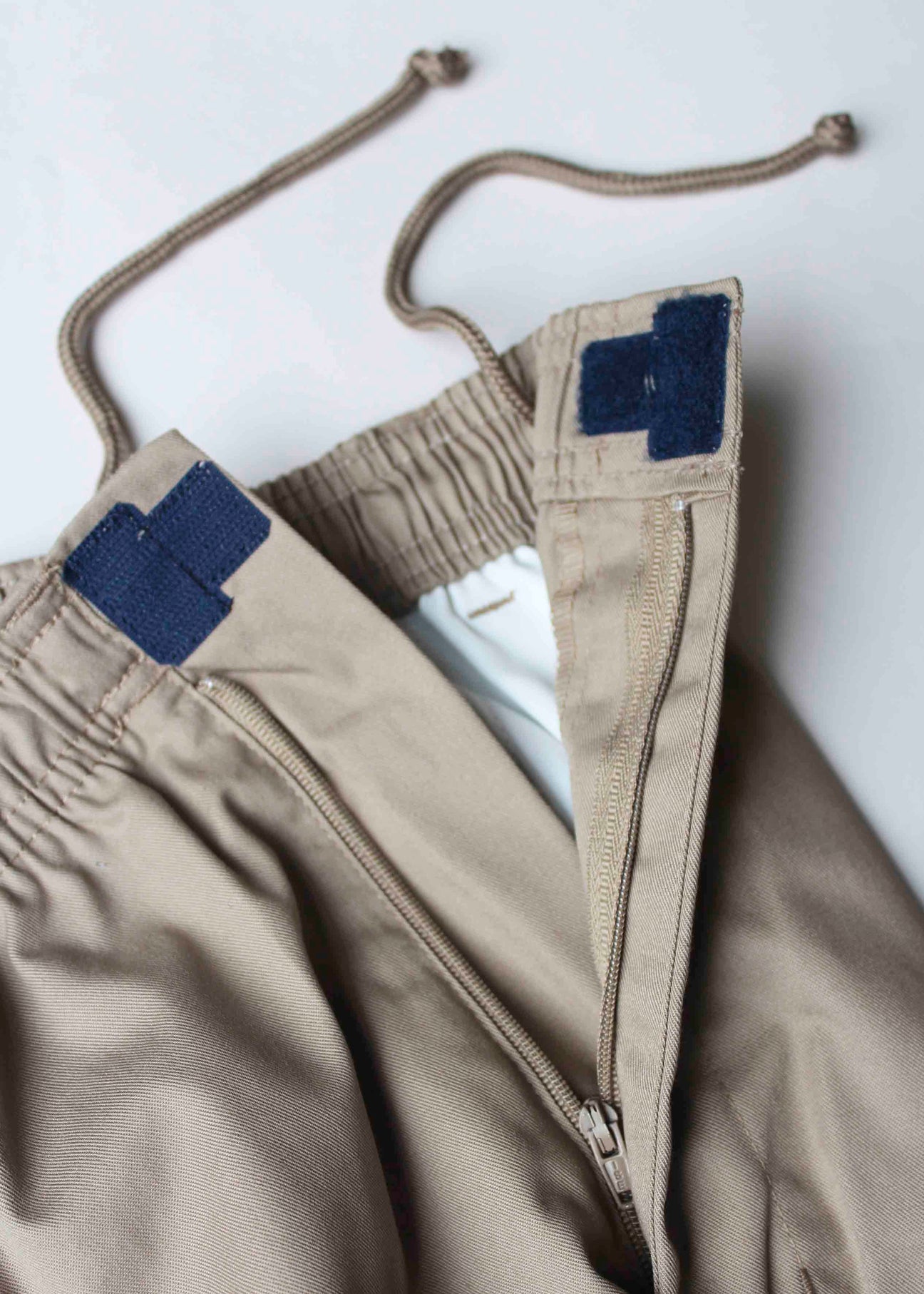
Elasticated & Pull-On Trousers
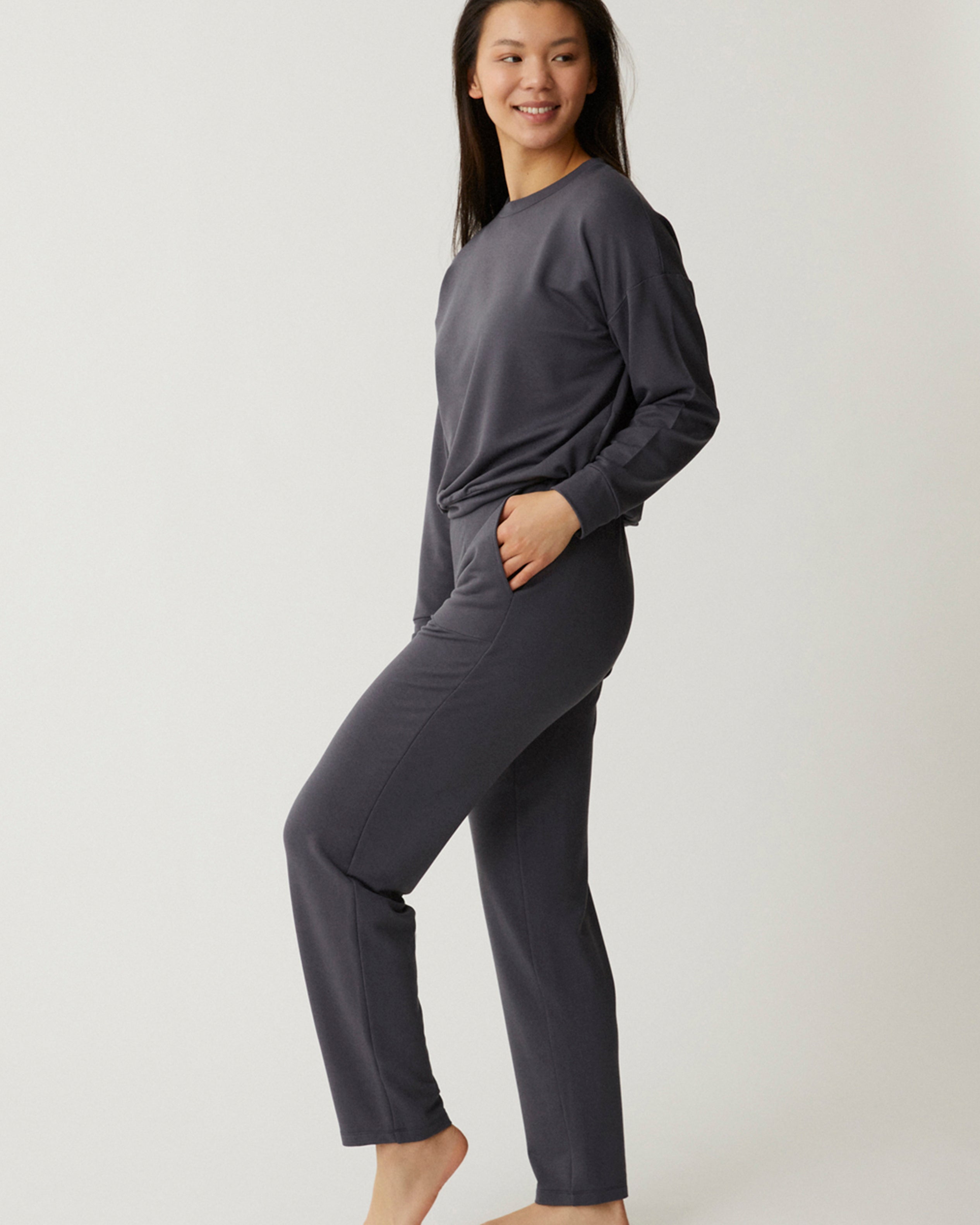
Soft trousers with elasticated waistbands are ideal after surgery. They allow you to sit and slide them on with minimal bending and no fiddly buttons. Avoid tight waistbands that can press over sensitive areas or surgical sites.
Why it helps: Comfortable, flexible and supportive as your body heals.


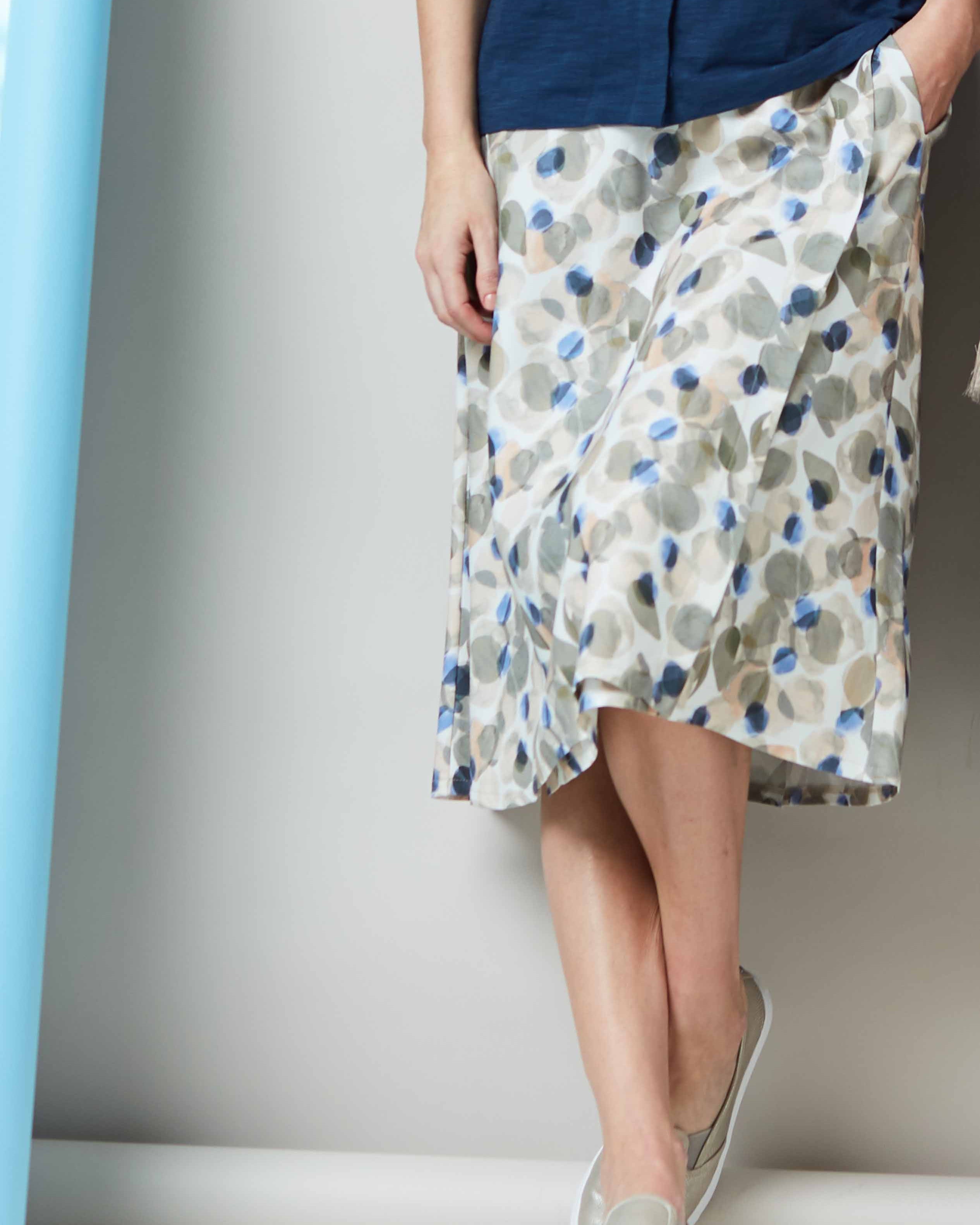
Wrap Skirts & Easy-Access Bottoms
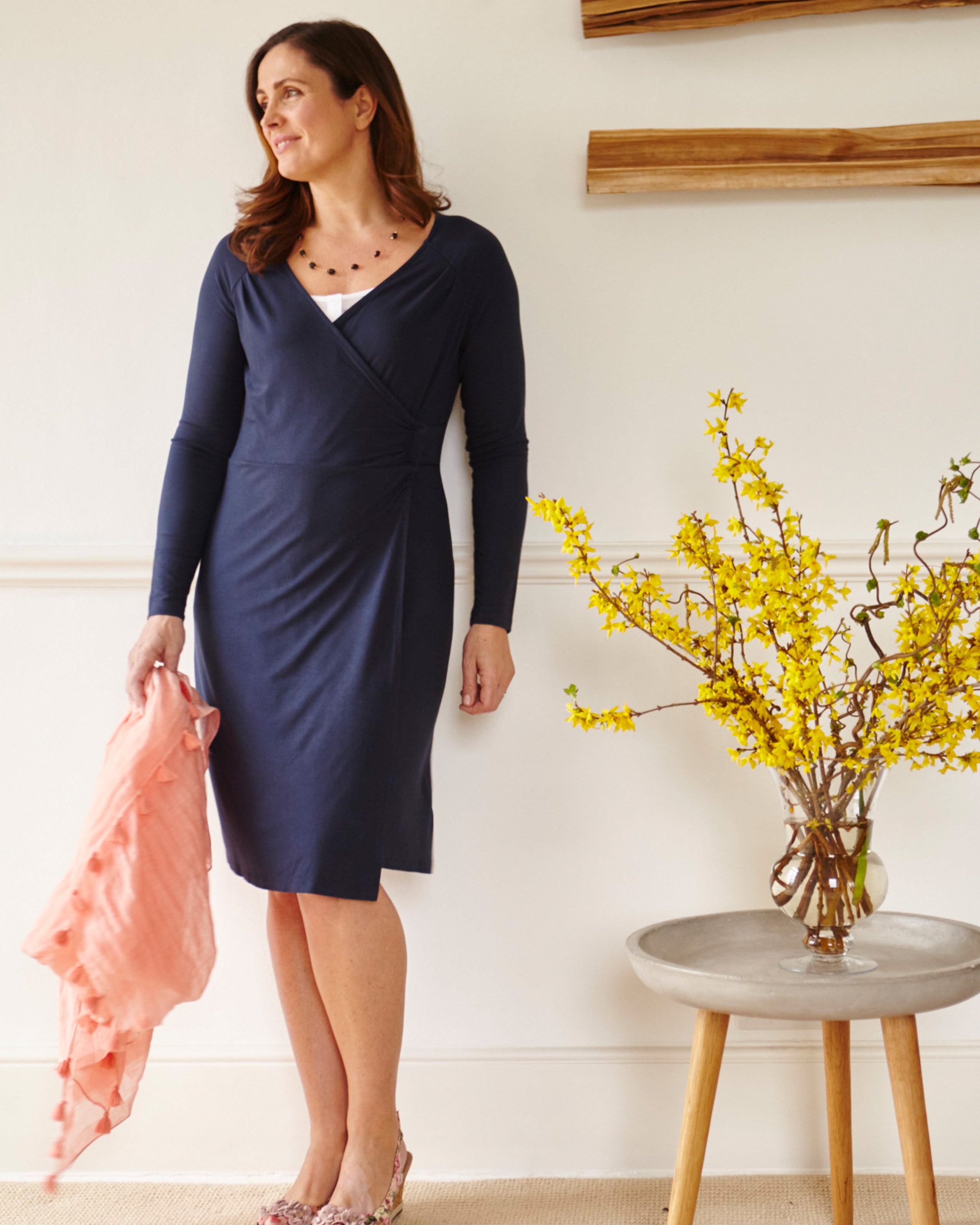
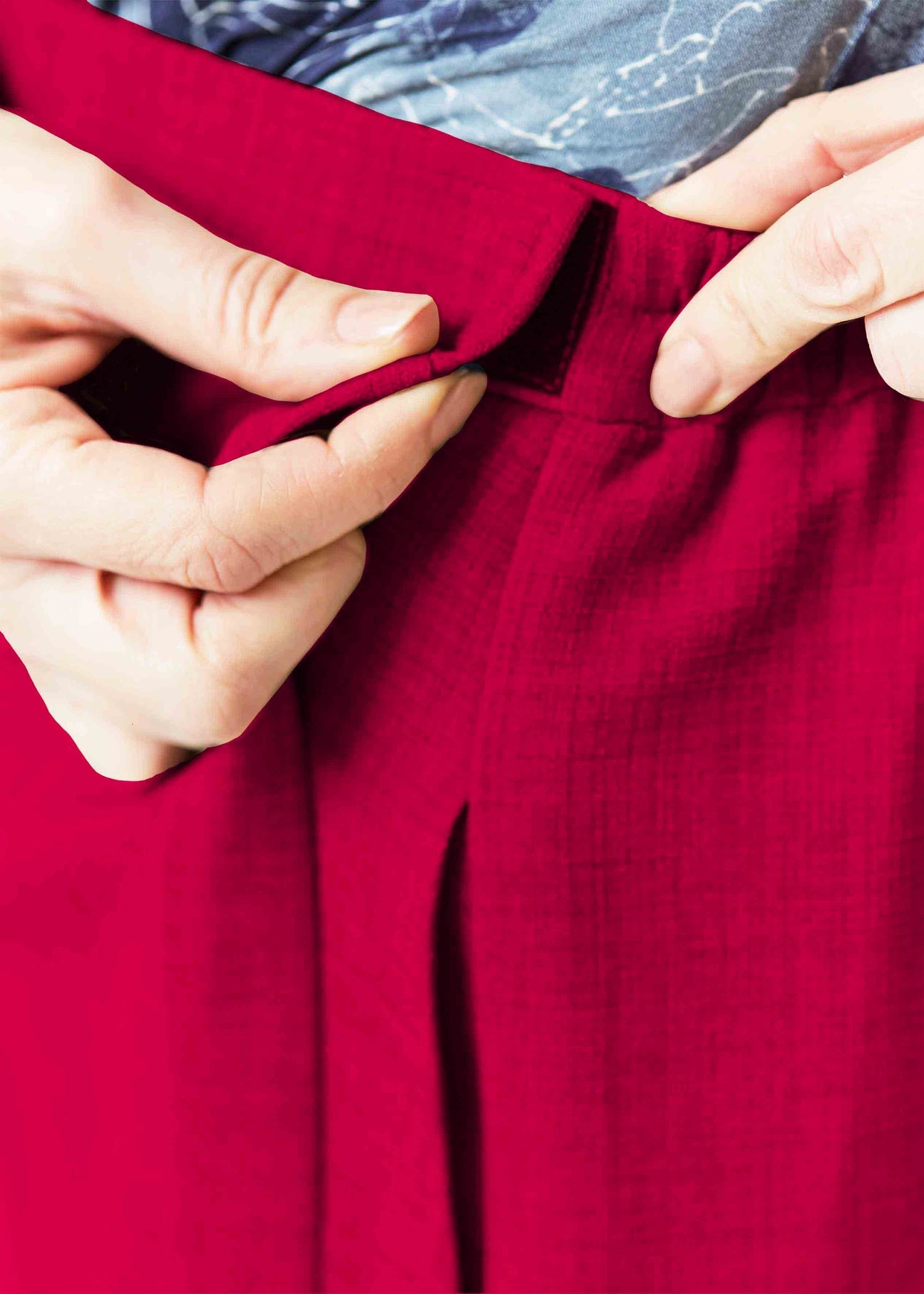
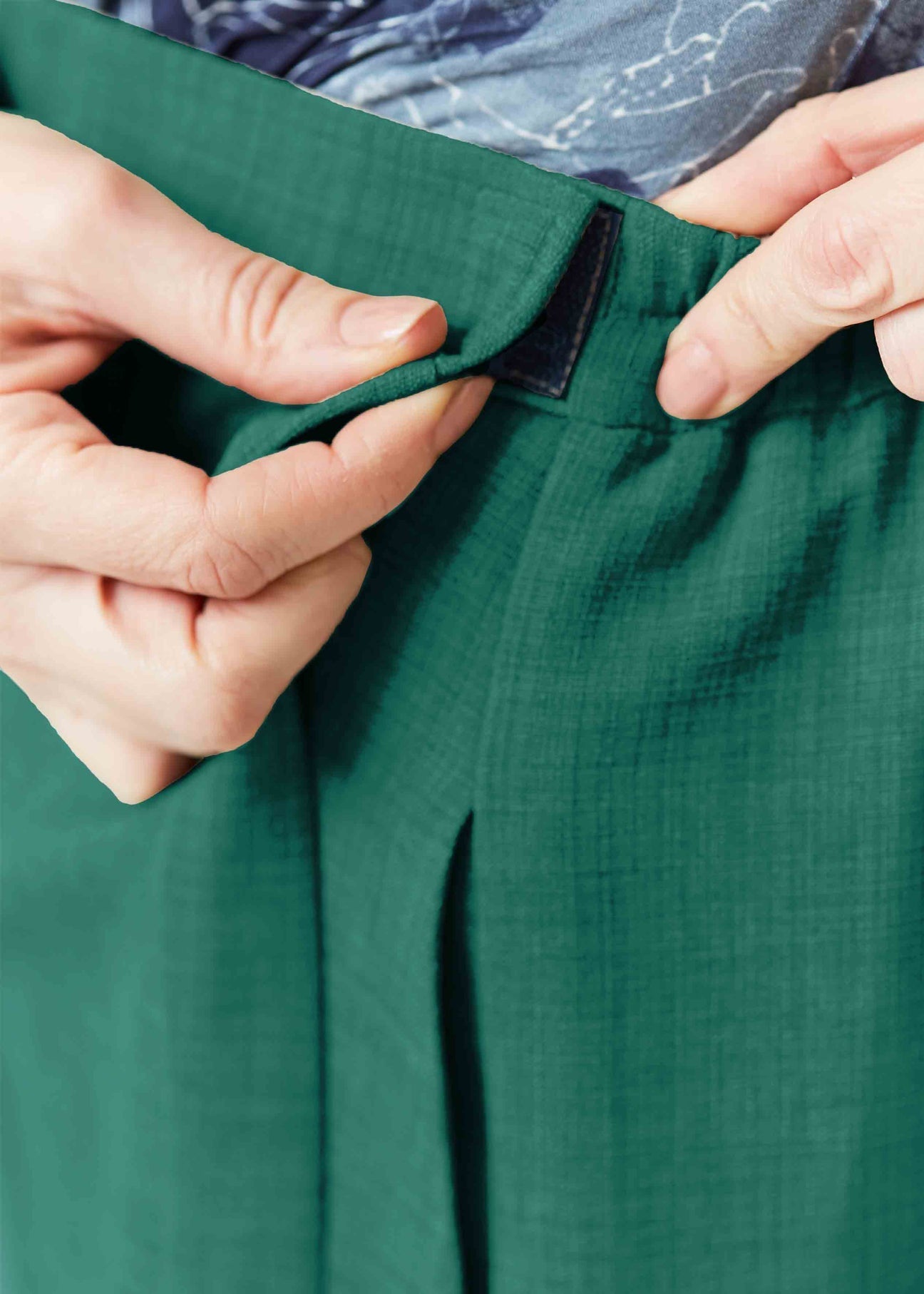
Wrap skirts that fully open are perfect if your mobility is limited. Simply lay them open, sit back into the garment and wrap before fastening, no bending or force needed.
Why it helps: Promotes independence during dressing and avoids pressure on lower-body surgical areas.
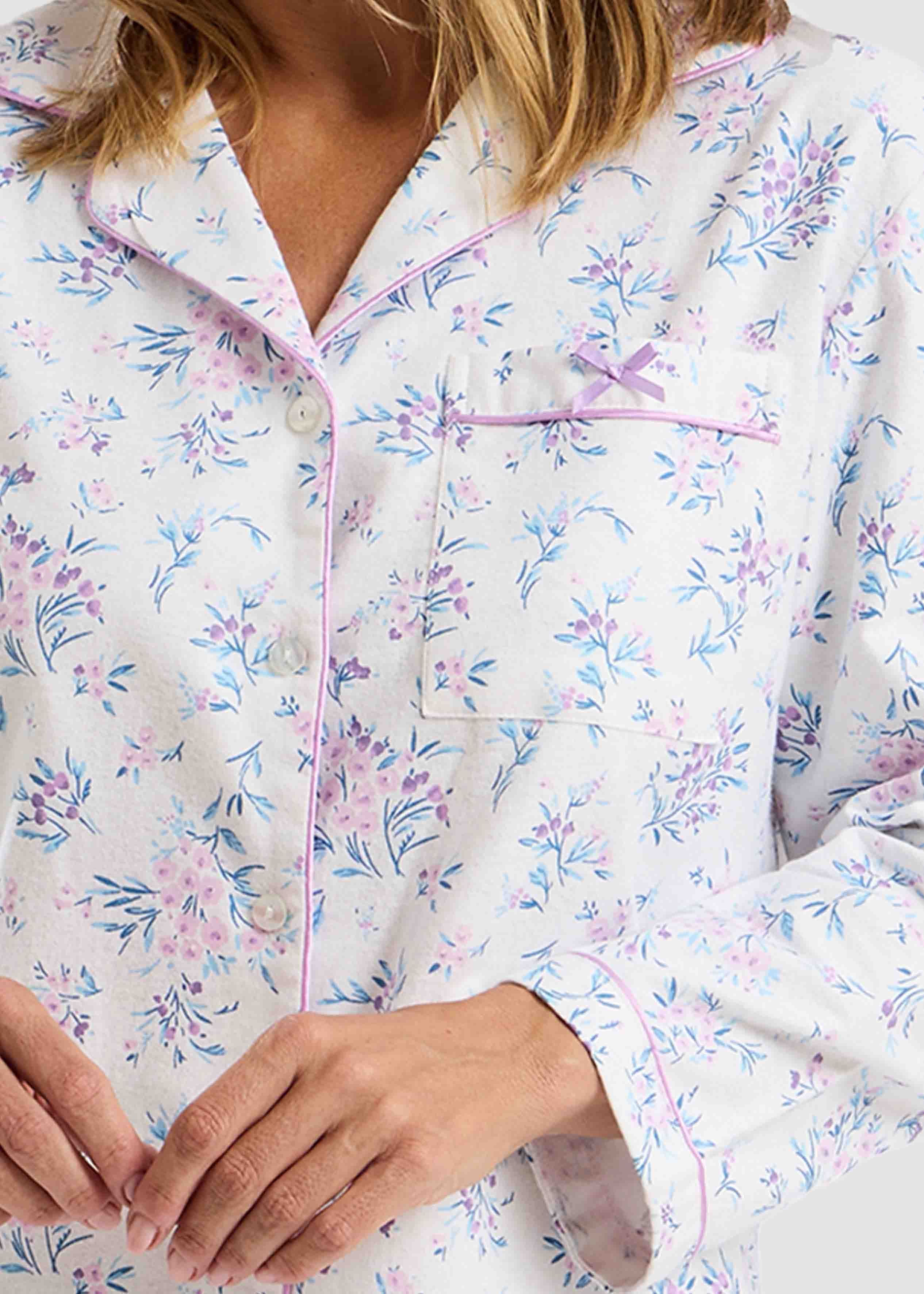

Soft Nightwear & Recovery Wear
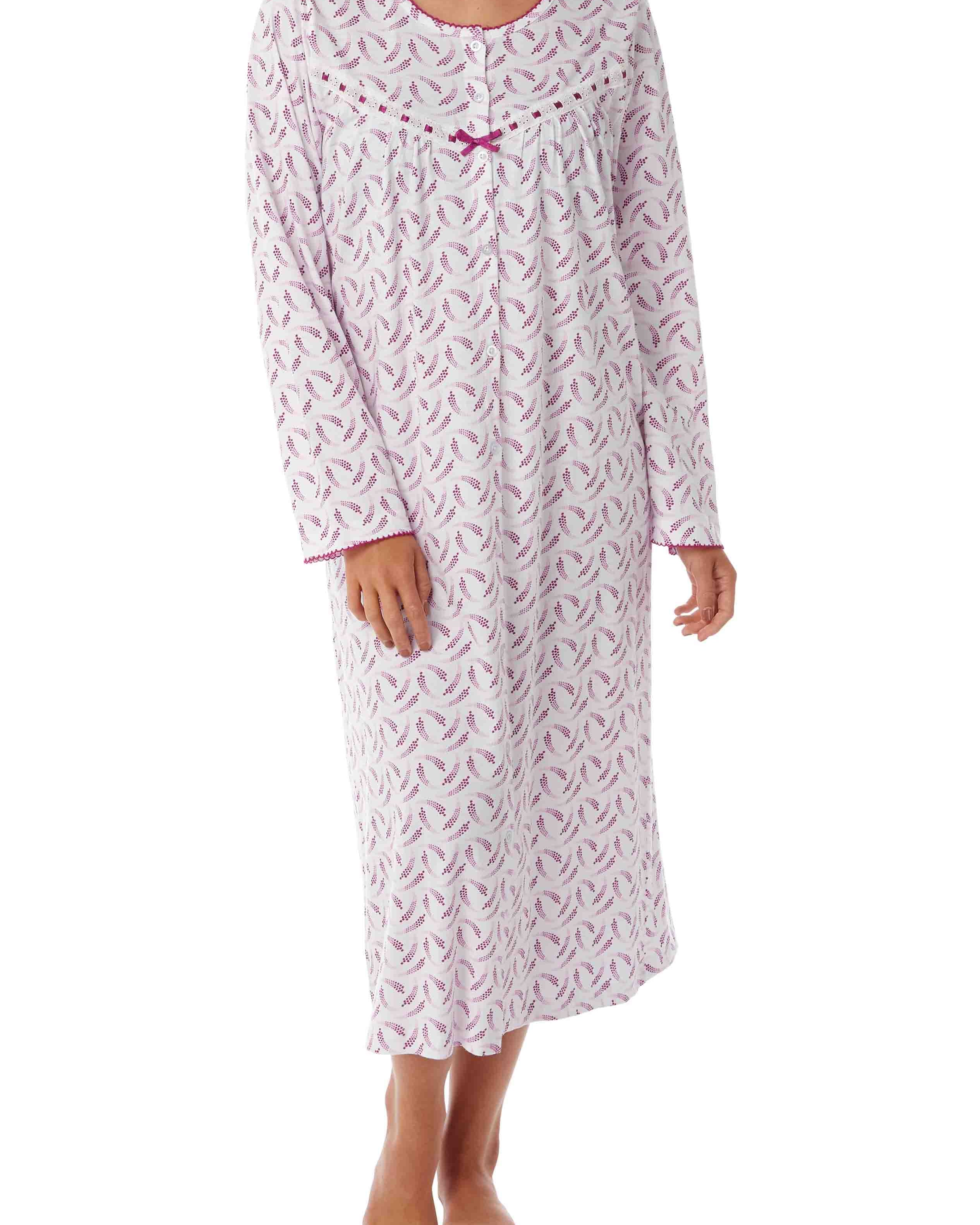
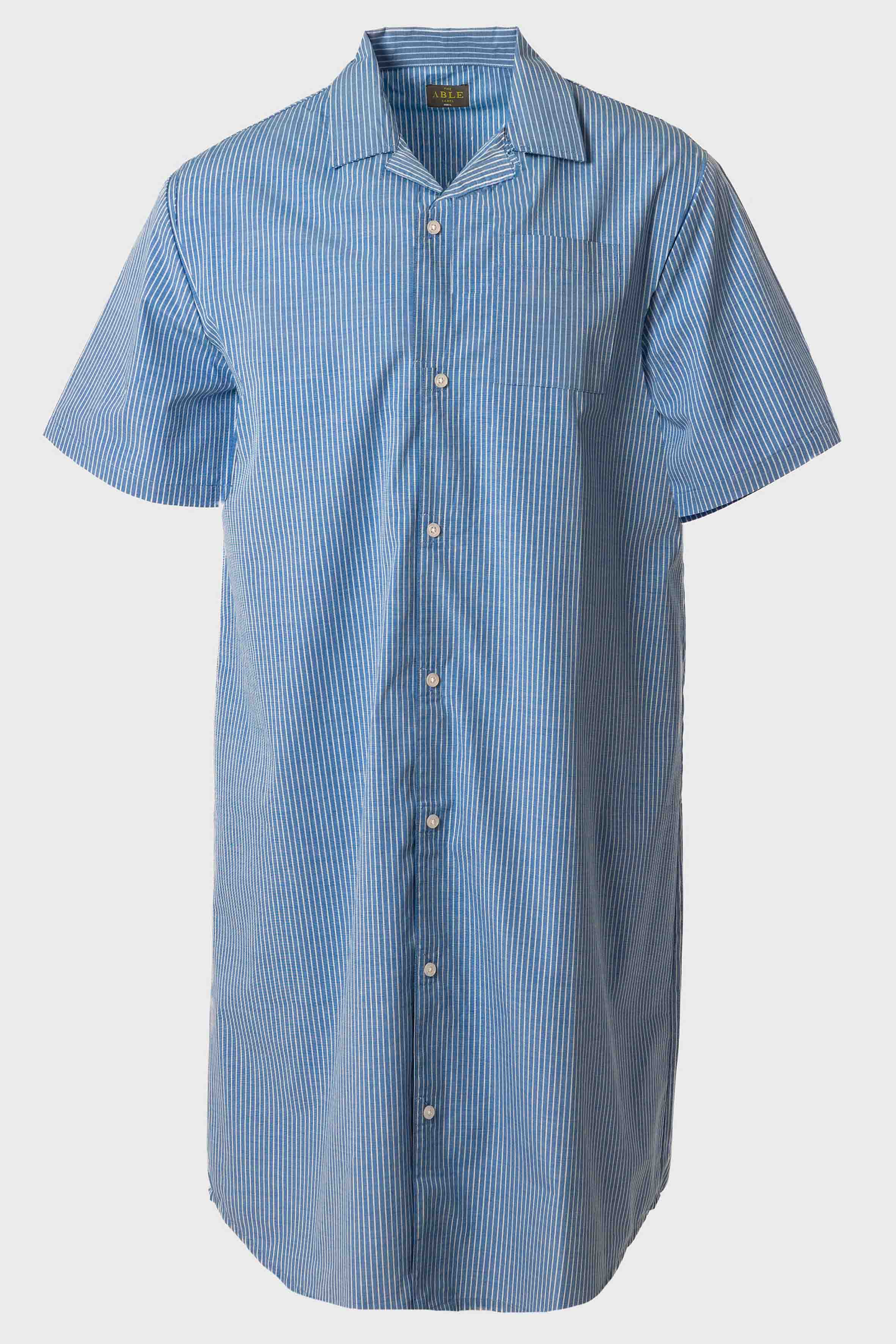
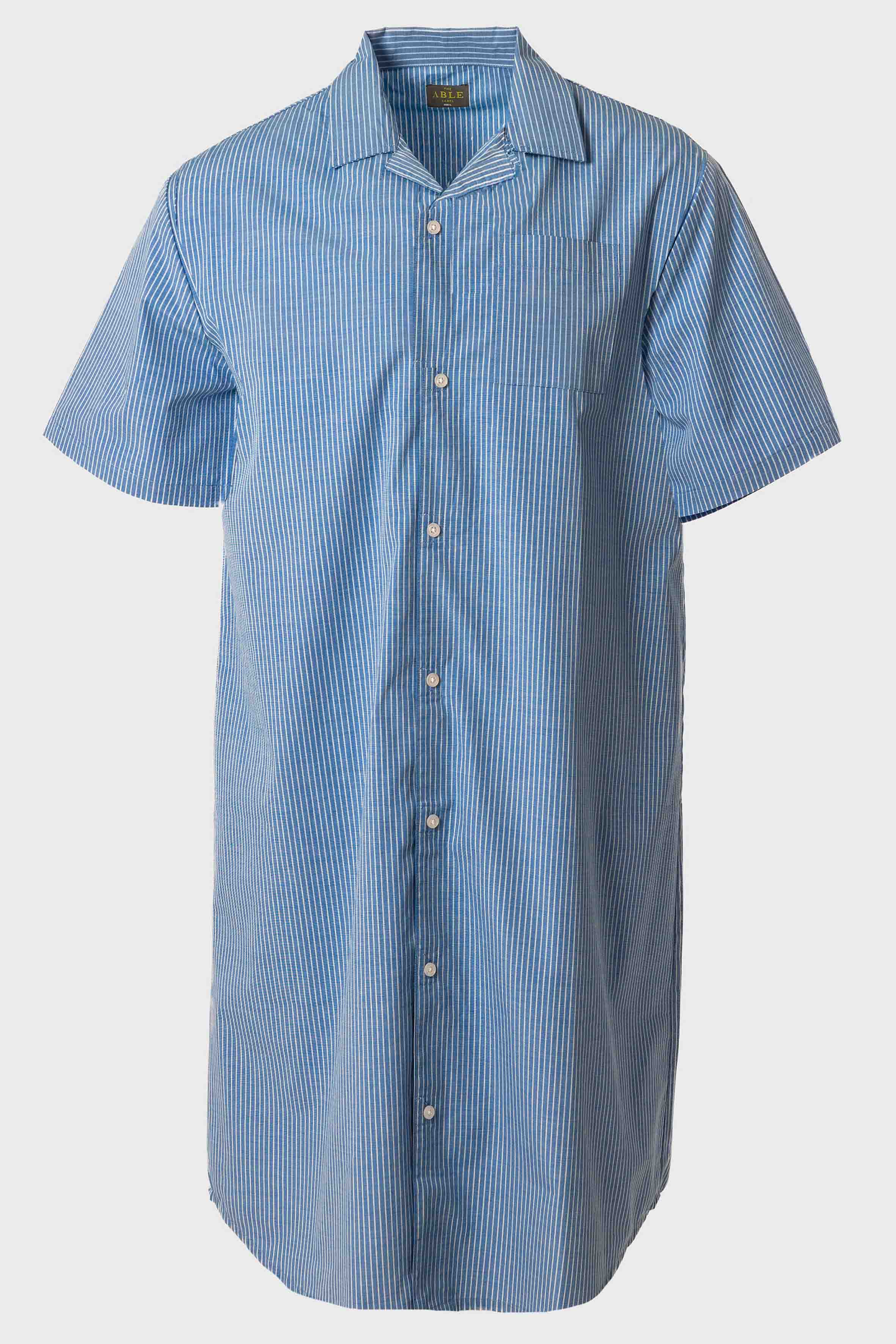
Post-surgery nights can be long and uncomfortable. Adaptive nightwear, such as open-front nightdresses, gentle pyjamas and robes, helps you rest with ease and allows quick access for medical care or dressing changes.
Why it helps: Breathable, soft fabrics reduce friction and irritation.
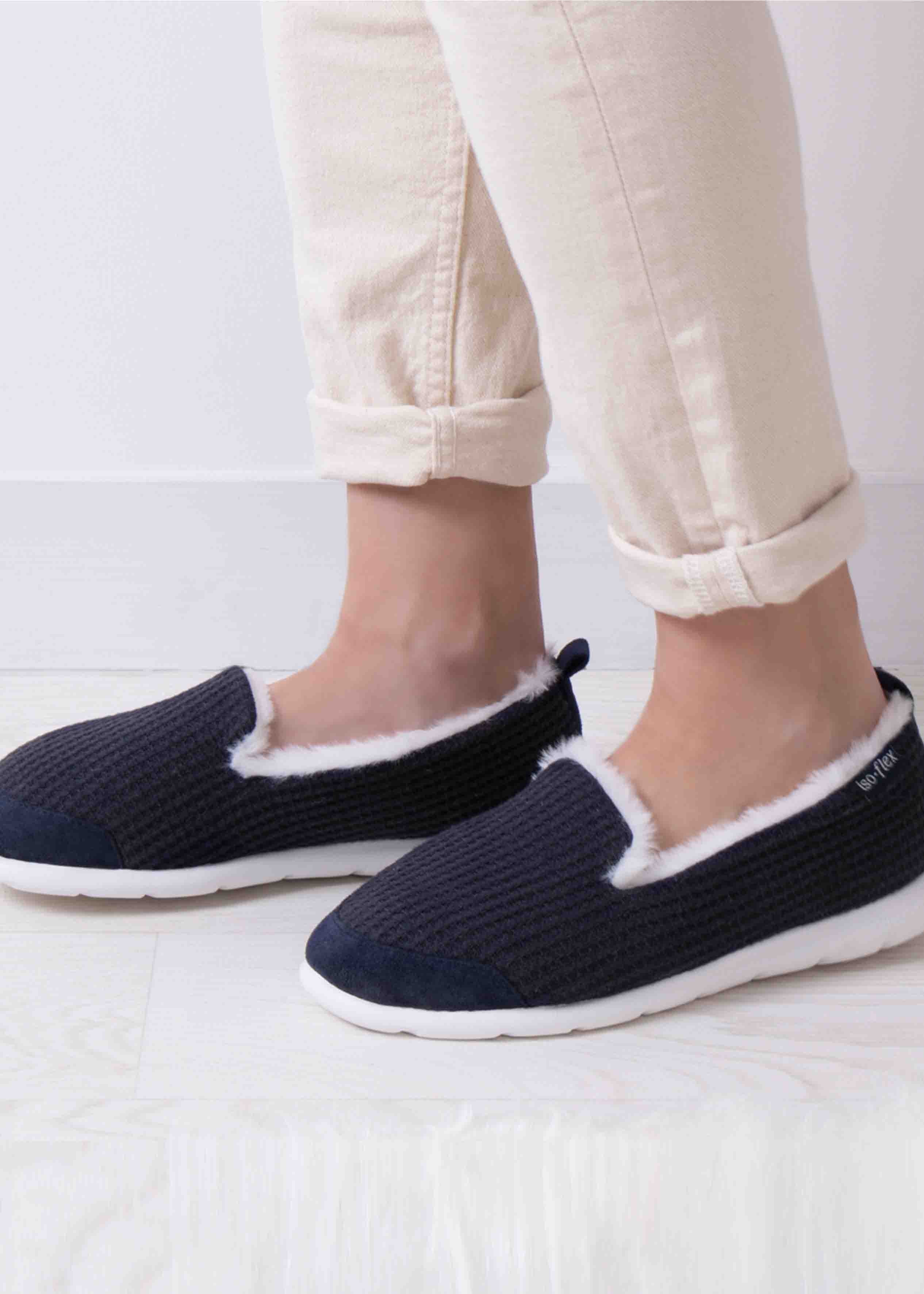
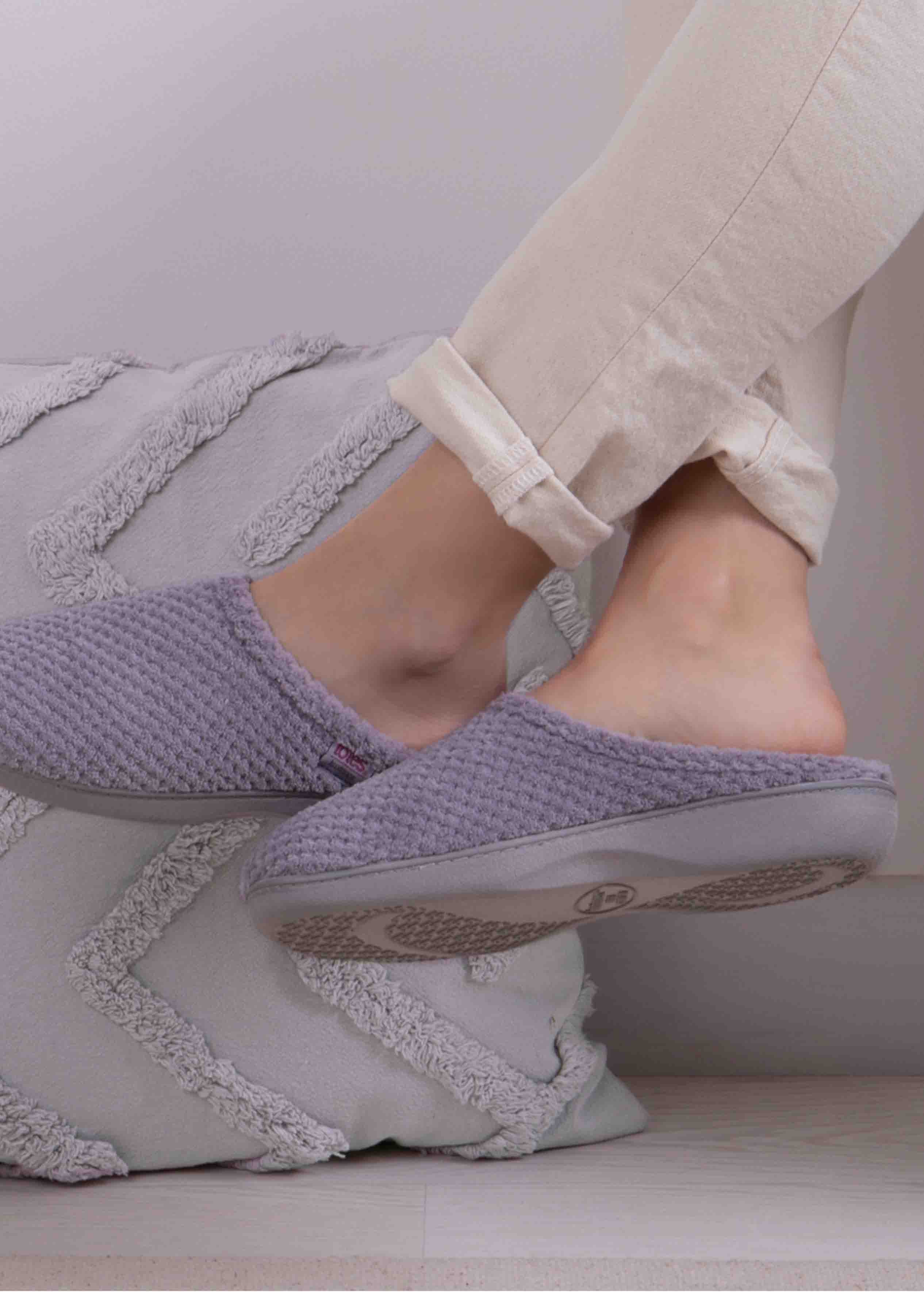
Slip-On Shoes & Supportive Socks
Turning your foot to tie laces can be painful or inadvisable after many surgeries. Slip-on shoes or slippers with easy fastenings help you stay safe and steady on your feet. If recommended by your clinician, compression socks can help support circulation and reduce swelling, especially after prolonged periods of sitting or rest.
Why it helps: Improves balance, reduces strain and supports mobility.


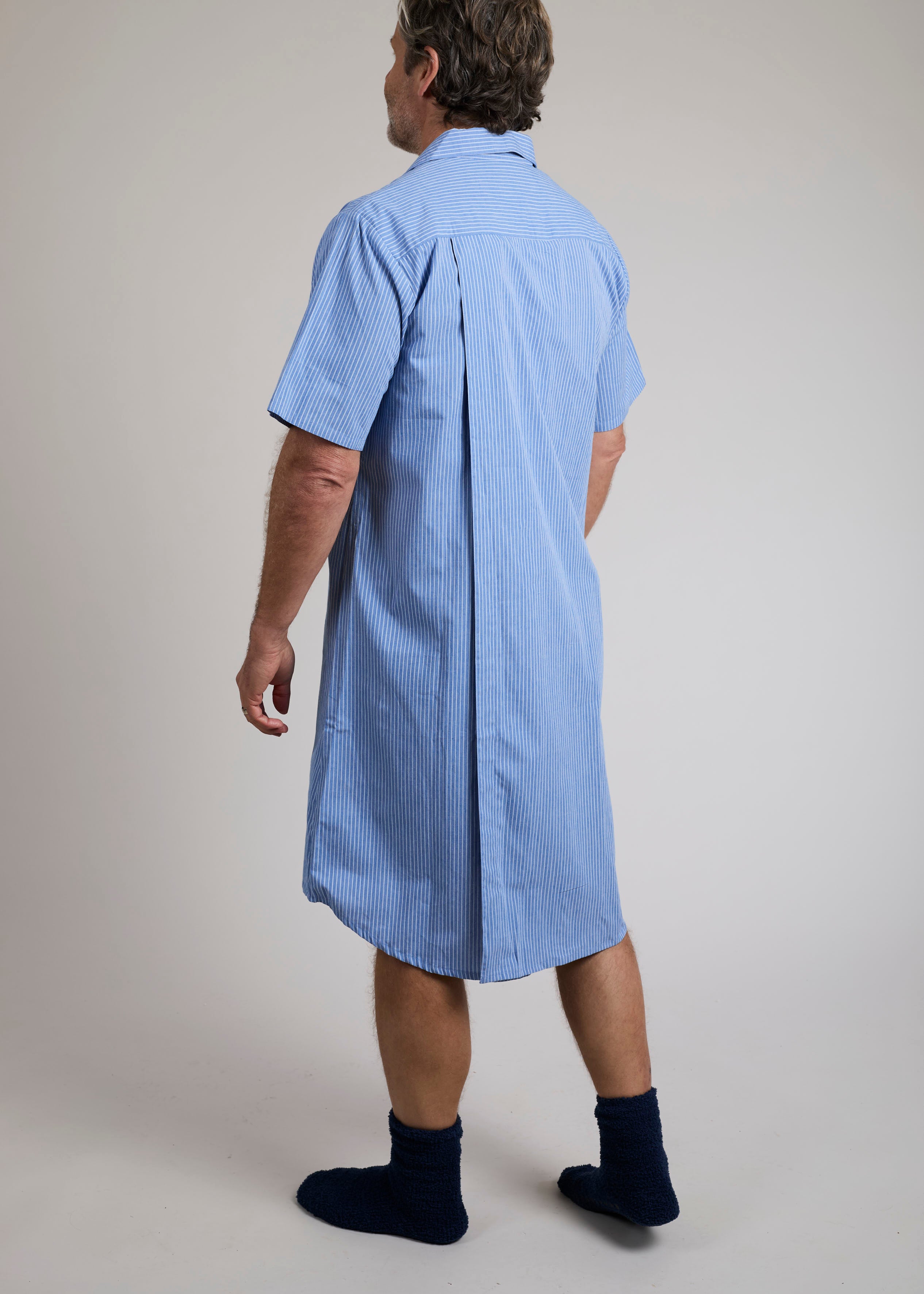
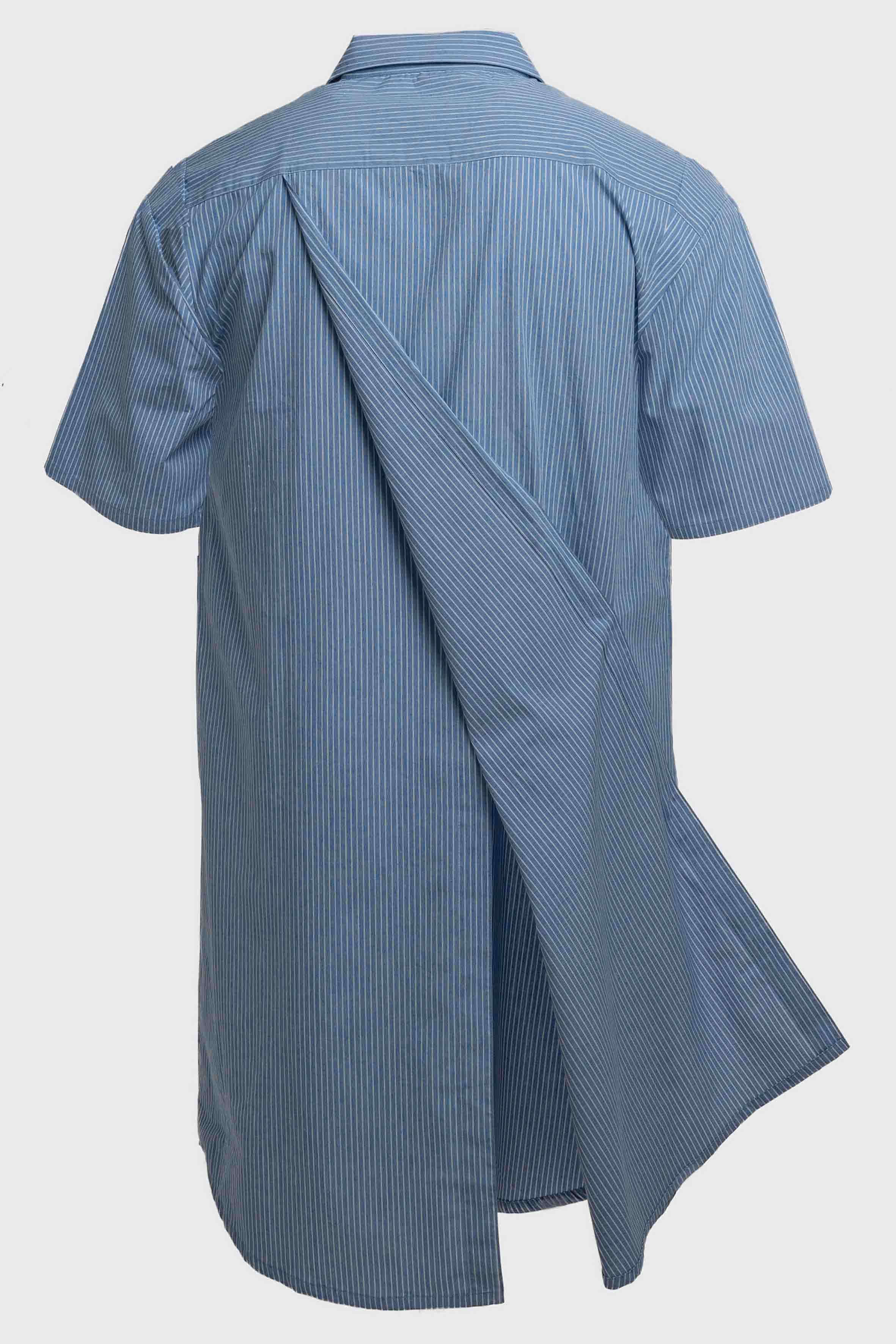
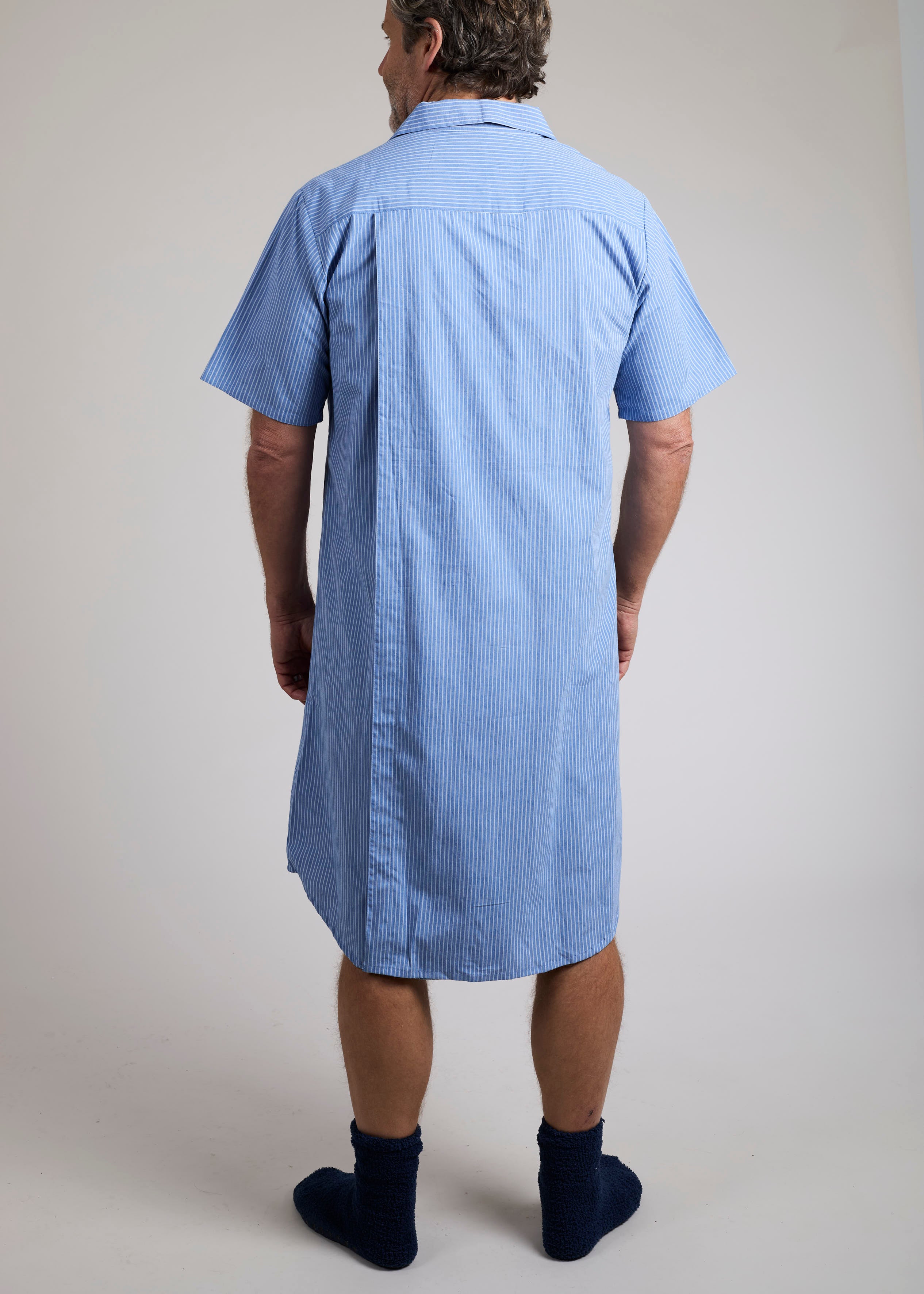
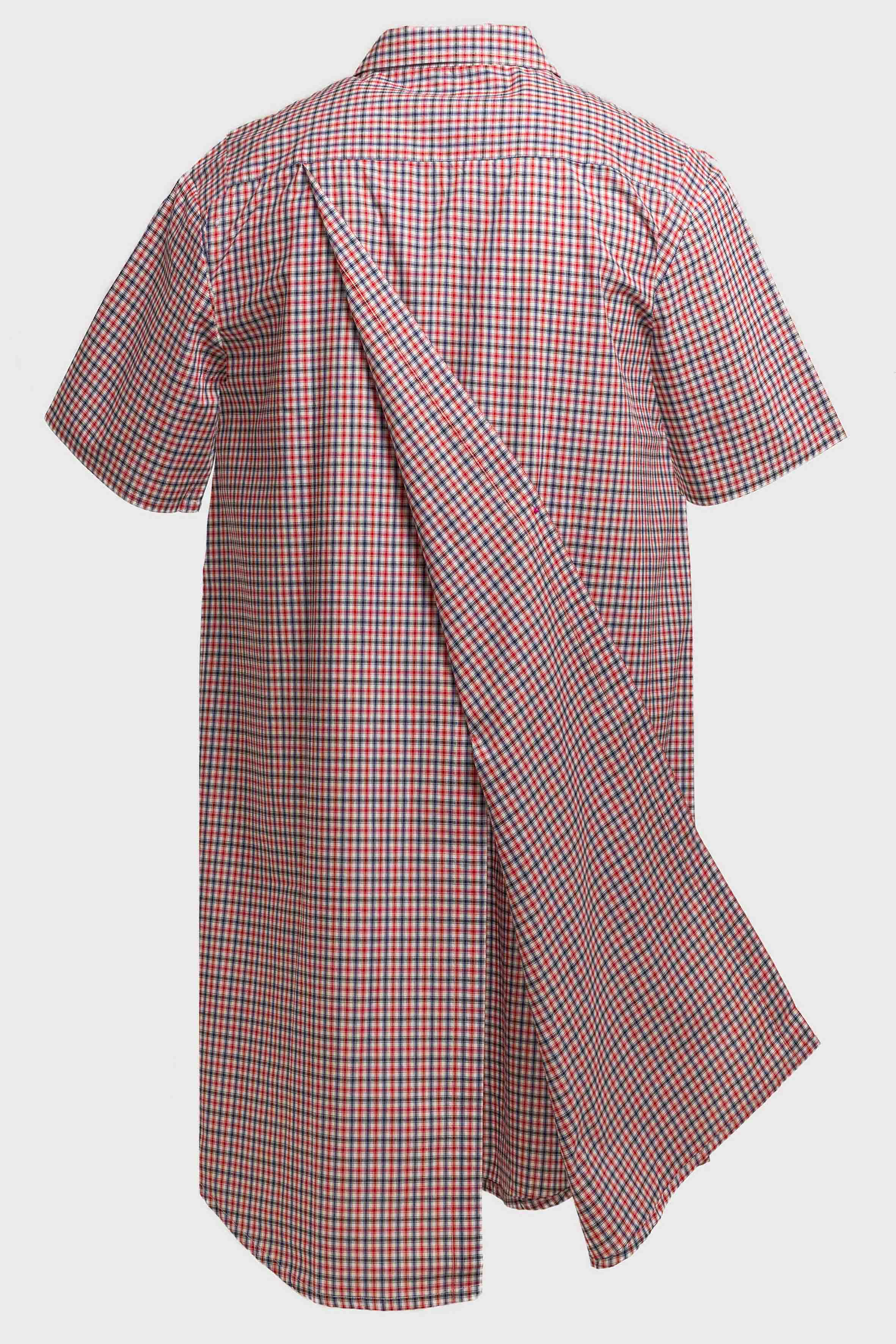
Back-Opening Nightwear
Designed to wrap gently around the body and fasten at the back, making it ideal when lifting your arms, twisting or pulling clothing over your head feels difficult. It allows for easier dressing while lying down or seated and is especially helpful when managing dressings, sensitive areas or reduced mobility during recovery.
Why it helps: Minimises physical strain, supports assisted dressing and helps you stay comfortable without unnecessary movement.

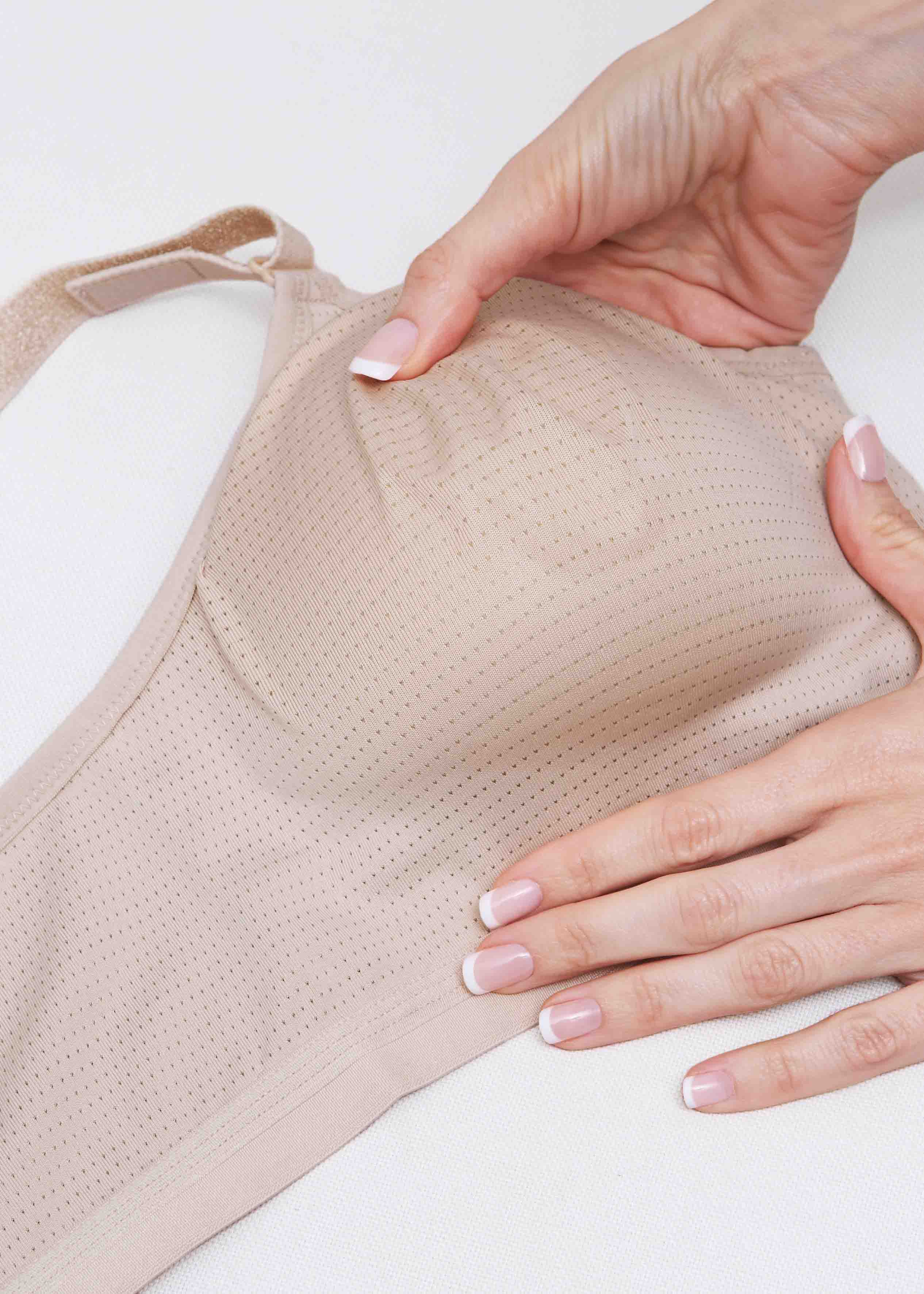
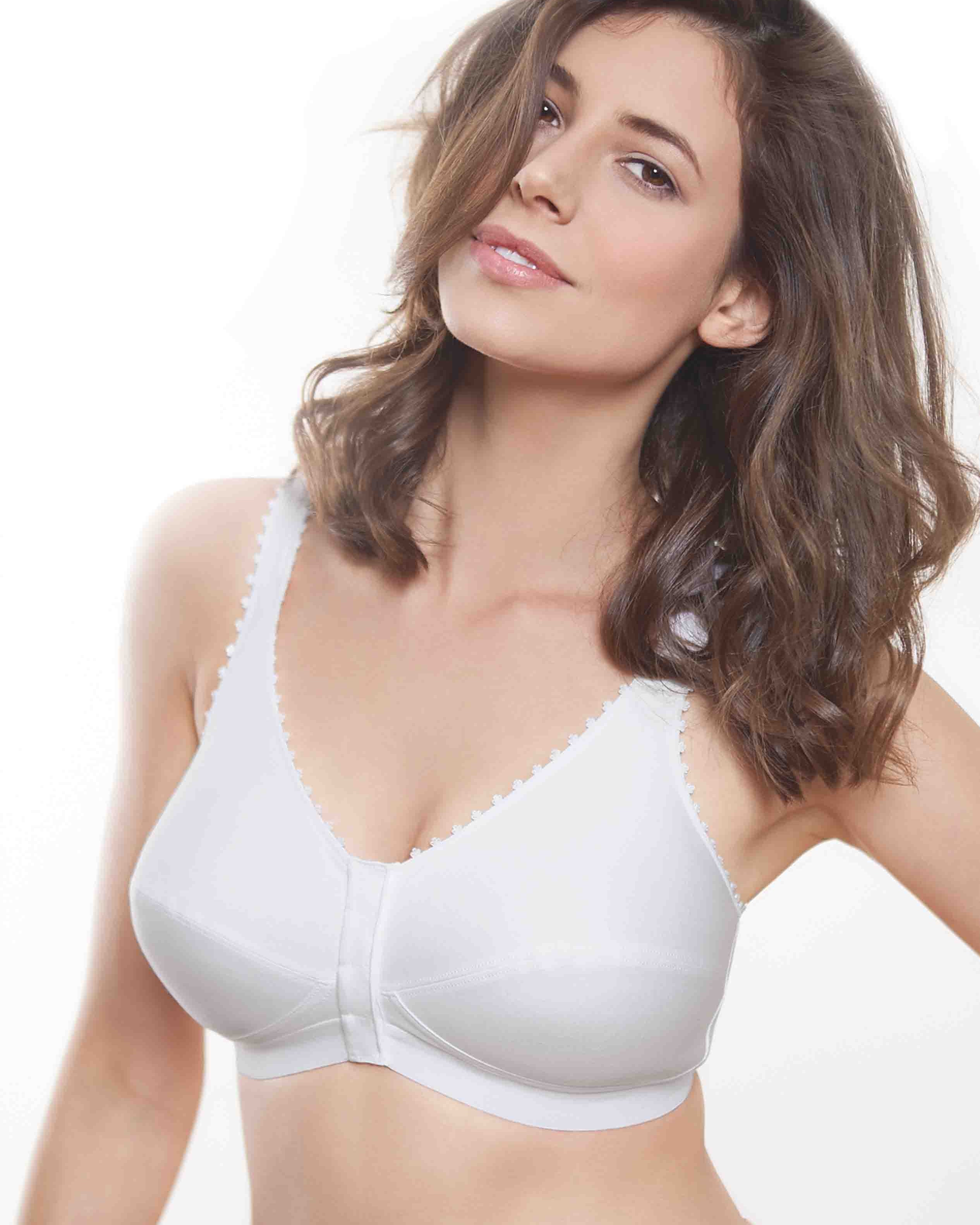
Post-Surgery Bras
Post-surgery bras feature front fastenings and soft, supportive fabrics that are kind to sensitive skin and healing areas. They remove the need to lift arms overhead and provide gentle support, making them a practical and comfortable choice during the early stages of recovery.
Why it helps: Makes dressing simpler, reduces pressure on tender areas and offers reassuring comfort while your body heals.
Comfort Tips for Dressing During Recovery
Opt for soft, breathable fabrics: Fabrics like jersey, cotton or modal are gentle on sensitive or healing skin and minimise irritation.
Sit to dress where possible: Dressing while seated reduces the risk of over-stretching or straining healing muscle groups.
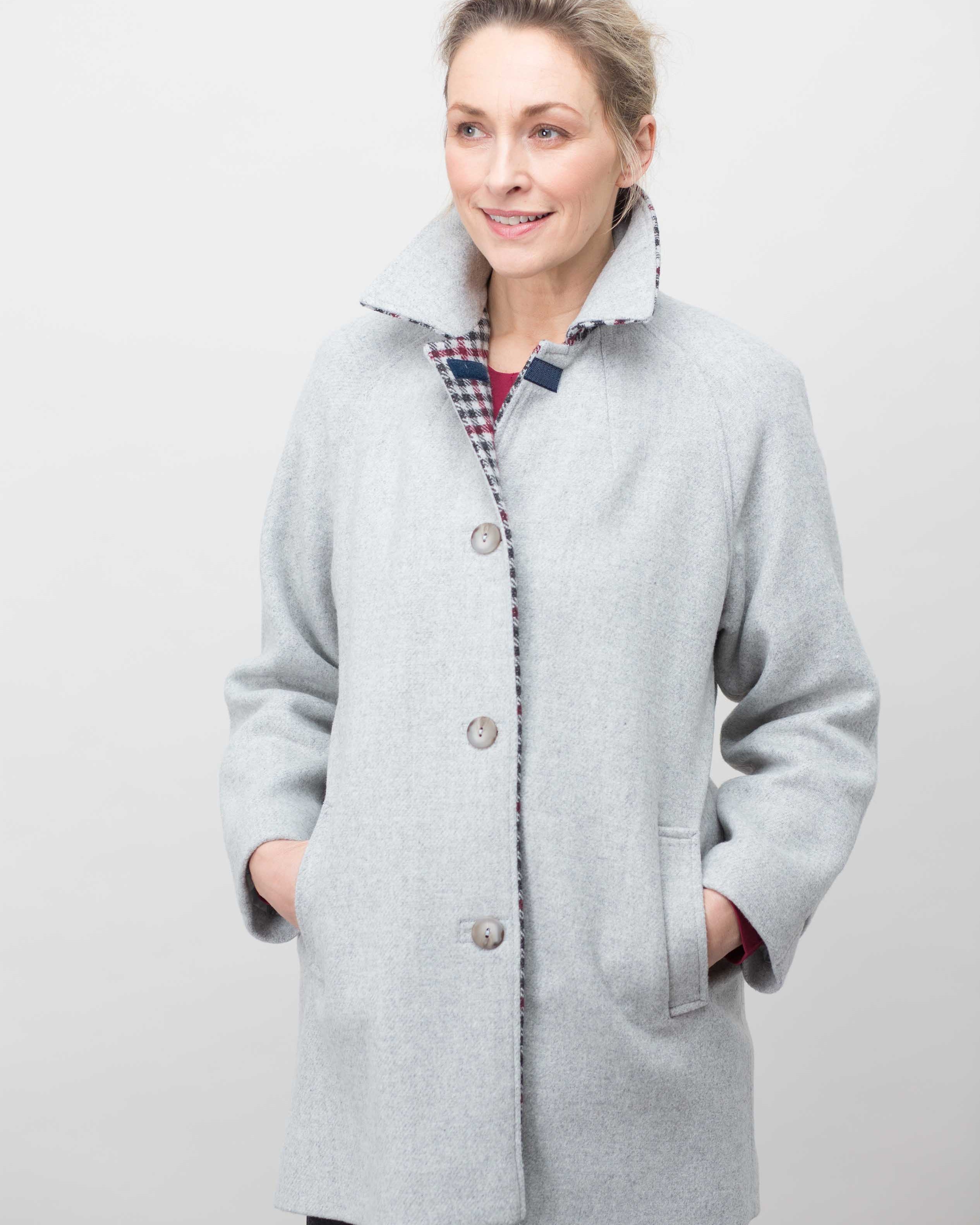
Choose looser fits above restrictive styles: Loose silhouettes help account for swelling and change in body shape during healing.
Avoid overhead dressing if advised: Front-opening garments truly help reduce discomfort after shoulder, chest or upper-body procedures.

































Subscribe to our newsletter for 10% off your first order
Promotions, new products and sales. Directly to your inbox.